Your garage is a home waiting to happen.
Most garages in Los Angeles sit underused while housing costs climb and lot sizes stay fixed. Onyx converts them into fully permitted, livable Accessory Dwelling Units — rental income, family space, or both.
The case for converting rather than moving
A garage conversion is one of the most efficient paths to additional square footage in Los Angeles — existing structure, smaller footprint, faster approvals, and strong long-term returns.
Every site is different — and that's where it starts
Lot size, access, zoning overlays, utility routing, sewer slope, and structural condition all shape what a garage conversion can become. Onyx evaluates these constraints before design begins — so no planning effort is wasted and no cost surprises arrive after permits are pulled. Homeowners in Culver City, Mar Vista, Venice, and View Park each face different site conditions, and the conversion strategy reflects that from the first meeting.
The goal determines the design
Some homeowners want rental income. Others want a home office that doesn't share walls with the rest of the house, a guest suite for family, or a private space for an adult child. The conversion is designed around that specific goal — not a generic ADU template — and the layout, finish level, and utility configuration follow from it.
What a garage conversion ADU typically costs in Los Angeles
Costs vary based on structural upgrades required, utility distances, slab condition, roofing, electrical capacity, and finish level. Onyx provides a detailed cost breakdown after the initial feasibility review — before any commitment is made.
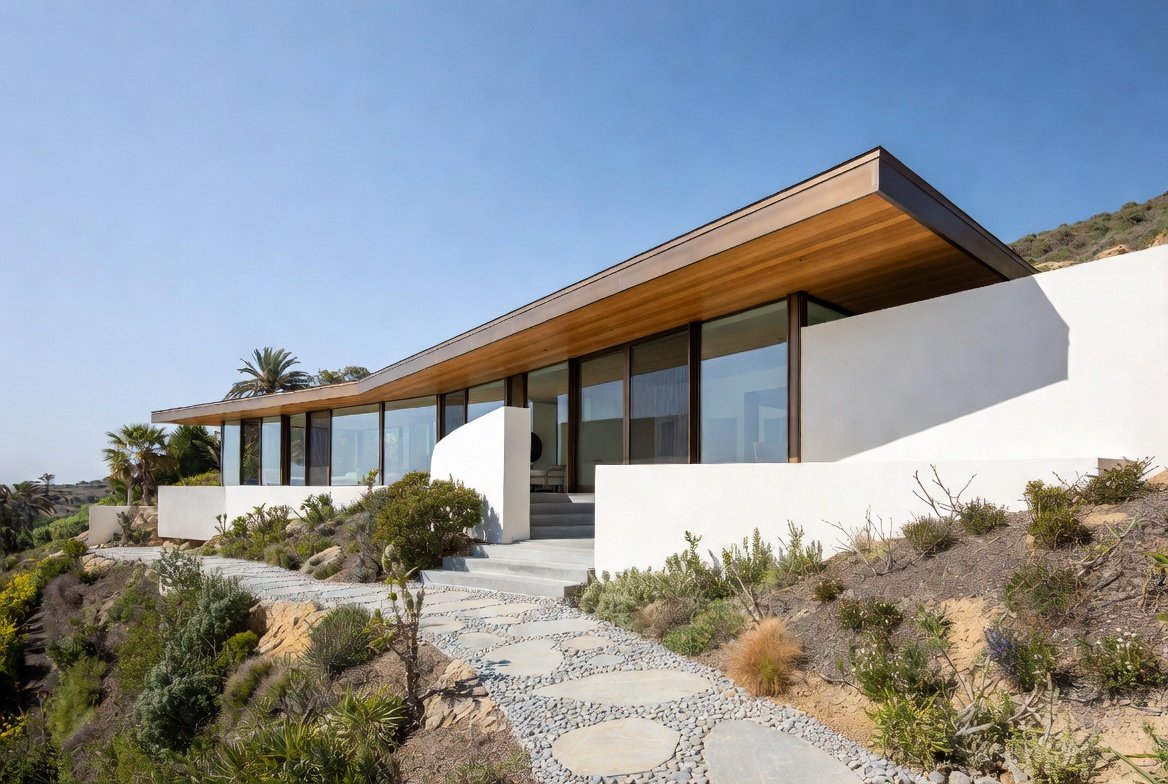
A garage is a structure — not yet a home
Most garages in Los Angeles were built to park cars, not to house people. The gap between those two standards is significant — and bridging it is what separates a properly converted ADU from a code violation waiting to be found.
Existing slabs need leveling, waterproof membranes, and in many cases new footings. Framing is corrected or sistered. Insulation is installed to meet California's Title 24 energy code. Plumbing, electrical, and mechanical systems are designed from scratch — not spliced into whatever the garage happened to have. Windows are added for egress, light, and ventilation.
Onyx treats a garage conversion as new residential construction that happens to start with existing walls — because that's the standard required to pass inspection and produce a home that performs for decades.
What's included in every conversion
Onyx manages the full scope from feasibility through final inspection. There is no handoff between design and construction.
Feasibility & site assessment
Zoning review, setback analysis, lot coverage check, utility routing evaluation, structural condition assessment, and sewer slope verification — before any design work begins.
Architectural design
Layout planning calibrated to the site, the use case, and the existing home. Floor plans, elevations, and construction documents prepared for LADBS submission.
Structural engineering
Slab analysis, footing design, framing corrections, shear wall calculations, and any foundation upgrades required by the structural engineer of record.
Title 24 energy compliance
Energy modeling performed for insulation, glazing, mechanical systems, and air sealing — meeting California's residential energy code for new conditioned space.
LADBS permitting
Full plan check management including submissions, corrections, resubmittals, and field inspection coordination through all required trades and structural milestones.
Utility & infrastructure
New plumbing lines, sewer connection with proper slope, electrical panel evaluation and upgrade where required, HVAC design, and mechanical routing planned to minimize invasive trenching.
Structural & envelope work
Slab preparation, vapor barrier and waterproofing, framing corrections, insulation installation, roofing evaluation, exterior finishes, and window installation for egress compliance.
Full interior finishes
Drywall, flooring, cabinetry, bathroom fixtures, kitchen or kitchenette installation, lighting, doors, trim, and all finish work to a move-in or rental-ready standard.
Final inspection & handoff
All required LADBS sign-offs obtained, certificate of occupancy secured, and a final walkthrough completed before the unit is handed over.
From first conversation to first tenant
The decisions made before construction begins determine more of the outcome than any choice made during it.
Feasibility before design
We evaluate the site, the garage structure, utility access, and zoning constraints before drawing a single line. What's possible on your specific lot is established first — so the design that follows is buildable and approvable.
Design to your use case
The layout is designed around how the unit will actually be used — rental suite, family space, or home office — with the finish level, kitchen configuration, and utility strategy calibrated to that goal.
Permits and pre-construction
We manage LADBS submission, plan check corrections, structural engineering coordination, and Title 24 compliance — and finalize the material and subcontractor package before construction begins.
Build, inspect, and deliver
Construction proceeds through a structured sequence — structural work, rough utilities, envelope, insulation, finish — with inspections coordinated at each milestone and no rework from skipped steps.
Why garage conversions are among LA's strongest investments
Rental figures reflect the Los Angeles market across neighborhoods including Culver City, Venice, West Hollywood, Mar Vista, Silver Lake, and View Park. Returns vary by location, unit size, and finish level.
Permitting in Los Angeles is manageable — if you know it
State ADU law has made garage conversions significantly more permittable in Los Angeles than they were five years ago. Setback requirements, owner-occupancy rules, and parking replacement mandates have all been relaxed. But the process still requires precise documentation — architectural plans, structural engineering, Title 24 energy modeling, and coordinated responses to LADBS plan check corrections.
Onyx manages every step of the LADBS process in-house — submissions, corrections, resubmittals, and field inspector coordination. Homeowners across Sherman Oaks, Encino, Hancock Park, and Brentwood don't need to track the permit themselves. They receive updates as each milestone clears.
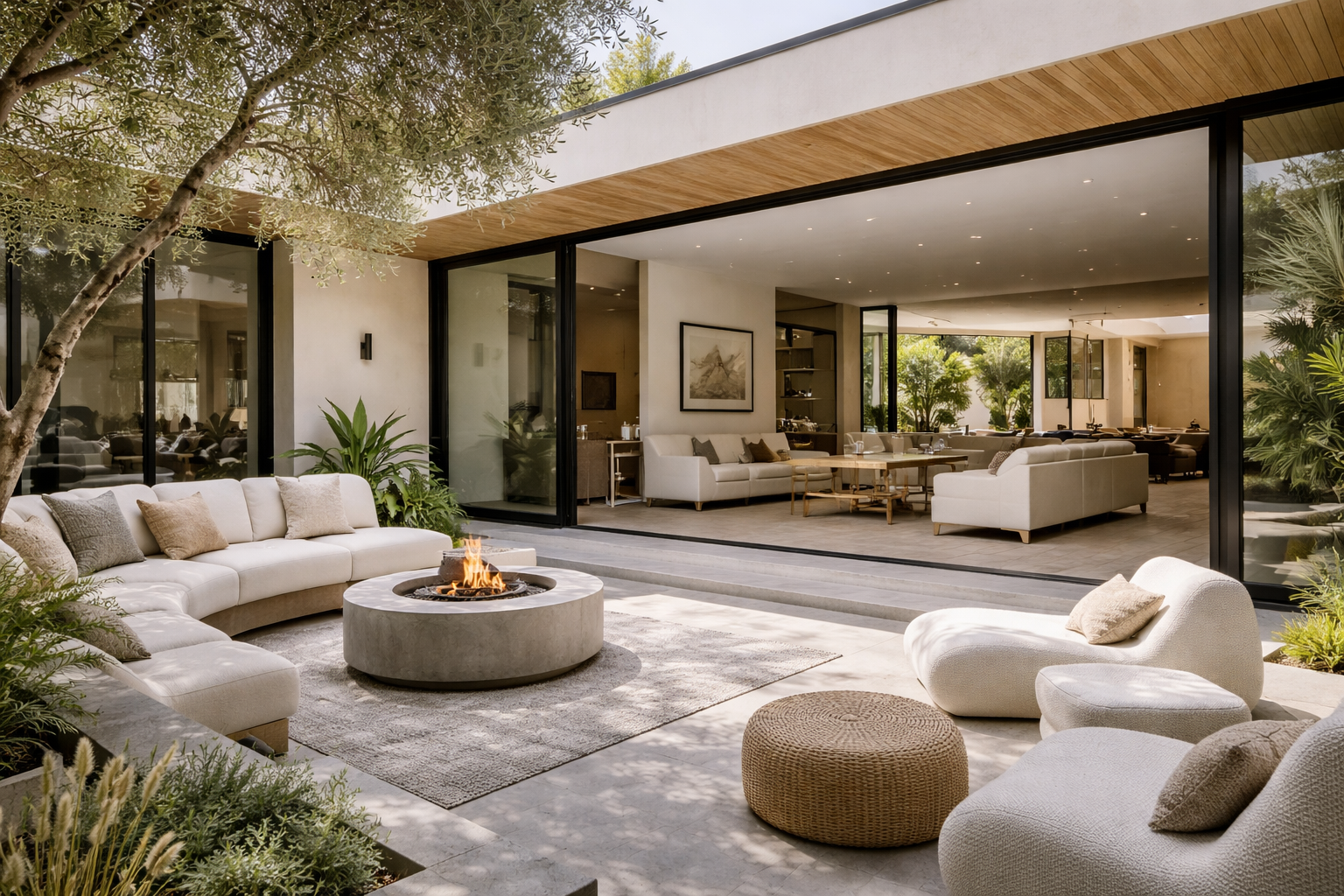
Detached versus attached — what changes
Both conversion types follow the same permitting and construction standards. The structural and utility differences are worth understanding before design begins.
Detached garage ADU
Fully independent structure. No shared walls with the primary residence. Greater acoustic privacy, separate entrance, and strongest appeal for rental use. Utility runs are typically longer and cost more to install.
Attached garage ADU
Shares at least one wall with the primary home. Fire separation between the ADU and the main residence is required by code. Shorter utility runs and sometimes easier sewer connection. Better suited for family use or home office configurations.
Structural upgrades
Both types require slab preparation, framing corrections, insulation to Title 24 standards, egress windows, and envelope waterproofing. The extent depends on the age, condition, and construction type of the existing structure.
Utility strategy
New plumbing, sewer connection, electrical service, and HVAC are required in both cases. The routing approach — trenching, panel location, sewer slope — is determined during feasibility and locked before construction begins.
Common questions about garage conversion ADUs in Los Angeles
Design and engineering typically runs $8,000–$18,000. Construction ranges from $110,000–$230,000 depending on structural upgrades, utility distances, slab condition, and finish level. Onyx provides a detailed cost breakdown after the initial feasibility review — before any commitment is made.
Most garage conversion ADUs take four to six months from permit approval to completion. LADBS permitting typically takes six to twelve weeks. The full timeline from first consultation to move-in is generally eight to ten months.
Yes. All garage conversion ADUs require permits through LADBS. Onyx manages the full permitting process — architectural plans, structural engineering, Title 24 energy compliance, plan check submissions, and field inspections — as part of every project.
Yes, once permitted and finaled. Garage conversion ADUs in Los Angeles typically rent for $1,900–$2,900 per month depending on neighborhood, size, and finish level. The unit must pass final inspection and receive a certificate of occupancy before it can be legally rented.
Most garages require slab leveling, waterproof membranes, vapor barriers, framing corrections, insulation upgrades, new plumbing, electrical panel evaluation, and egress window installation. The extent varies by structure age and condition — assessed during the initial site evaluation.
Under current California state ADU law, parking replacement is not required when converting a garage within a half-mile of public transit — which covers most of Los Angeles. Your specific parcel is confirmed during feasibility. In most cases, the conversion proceeds without any parking replacement obligation.
Ready to find out what your garage can become?
Most projects begin with a feasibility conversation — site constraints, zoning, structural condition, and realistic cost. Onyx can walk you through all of it before any plans are drawn or commitments are made.
