ADU construction in Los Angeles.
Los Angeles is one of the most ADU-active cities in the country. Onyx handles the full process — feasibility, design coordination, permitting, and construction — so your ADU is built to last and performs as an investment.
Why Los Angeles homeowners are building ADUs now
California's pro-housing laws have made ADU development more accessible than at any point in the state's history. The economics have followed.
Income strategy, family housing, and long-term equity
Los Angeles remains one of the most ADU-active cities in the United States, driven by statewide housing mandates, demand for flexible living, and the increasing value of well-used suburban lots. ADUs respond to structural housing shortages by transforming underutilized backyards, side yards, and garages into functional residential units.
For homeowners, an ADU is more than a building. It is an income strategy, a family housing solution, or a long-term equity play rooted in California's pro-housing laws. A well-planned ADU in Culver City, Mar Vista, or Sherman Oaks can generate stable monthly rental income while adding measurable value to the underlying property — often outpacing its cost of construction when executed with quality materials and thoughtful design.
Los Angeles zoning framework for ADUs
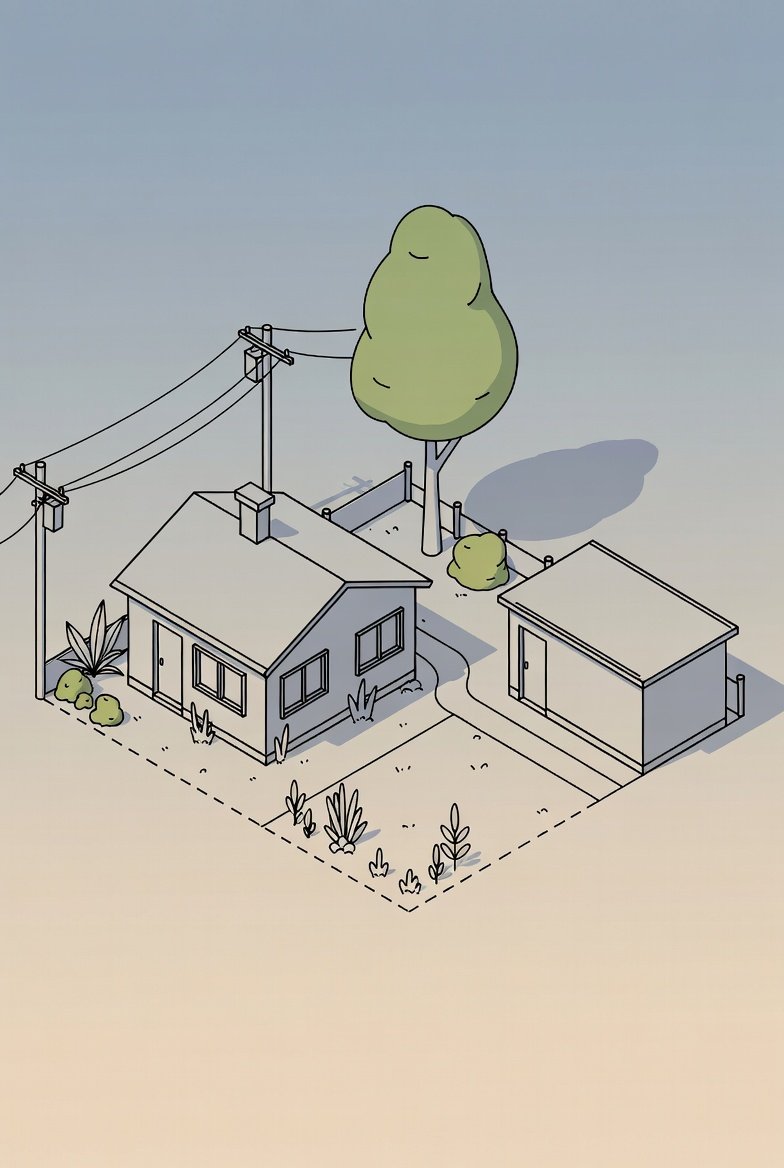
California's statewide ADU legislation overrides many local zoning restrictions, making ADU development possible on nearly every residential parcel in Los Angeles.
What your lot can support
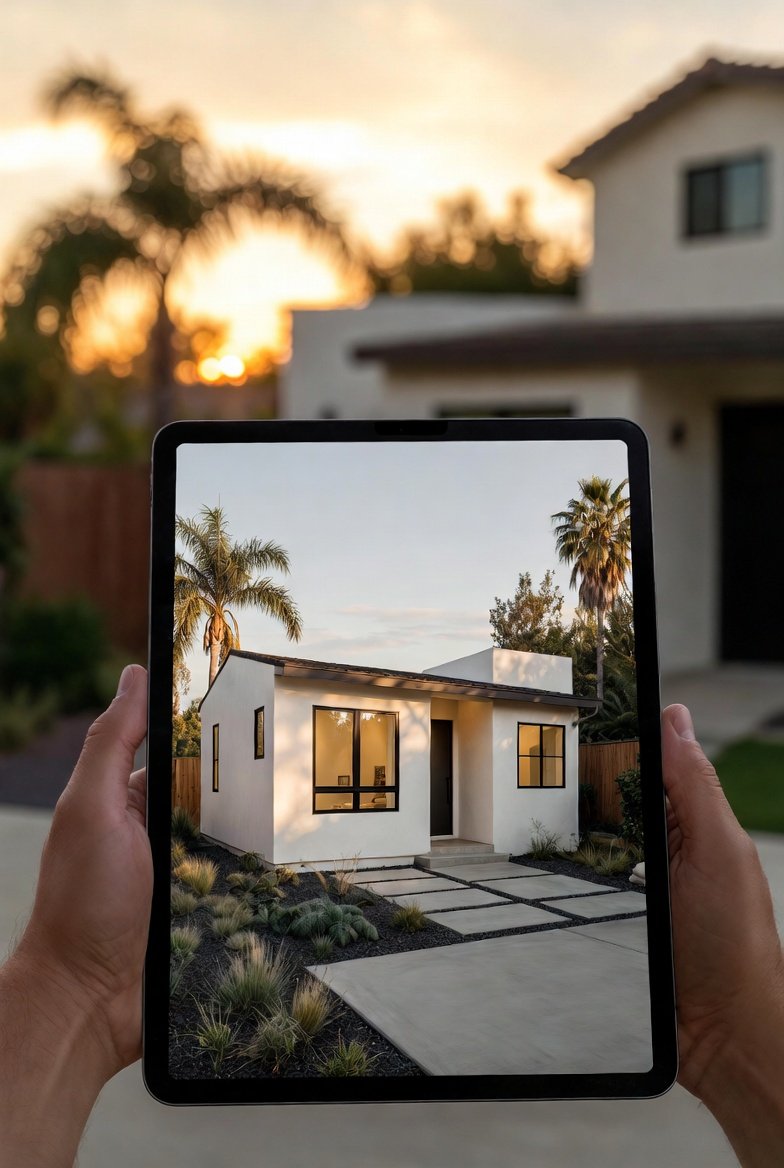
Residential zones including R1, R2, RD, and multifamily lots are all eligible, with varying allowances for detached, attached, and junior ADUs. Height, setbacks, and fire separation distances influence placement, but most standard parcels can support at least one detached ADU plus one junior unit.
The physical characteristics of the lot determine ease and cost. Narrow lots may restrict equipment maneuverability, while deep lots enable more flexible placement. Utilities — particularly sewer and electrical — can influence costs significantly depending on distance to tie-in points. Soil quality, grade changes, and existing structures shape early feasibility findings and dictate whether the project requires specialized engineering.
Eligible zone types
R1, R2, RD, RA, RE, RS, and multifamily zones are all eligible under California's ADU statutes. Most single-family parcels in Los Angeles can support at least one detached ADU and one junior ADU simultaneously.
Setbacks and placement
Rear setbacks of four feet are the standard minimum for detached ADUs in most Los Angeles zones. Height limits, fire separation distances, and lot coverage calculations determine what can be built and where it can be placed on the parcel.
Coastal and hillside exceptions
Coastal zones, hillside areas, and Very High Fire Hazard Severity Zones may require additional clearances beyond standard LADBS review. These should be identified during early feasibility — before design investment is made.
Detached, attached, and garage conversion
Each ADU type has a different cost profile, construction sequence, and siting logic. The right choice depends on your lot, your budget, and how you intend to use the unit.
Three paths to an ADU
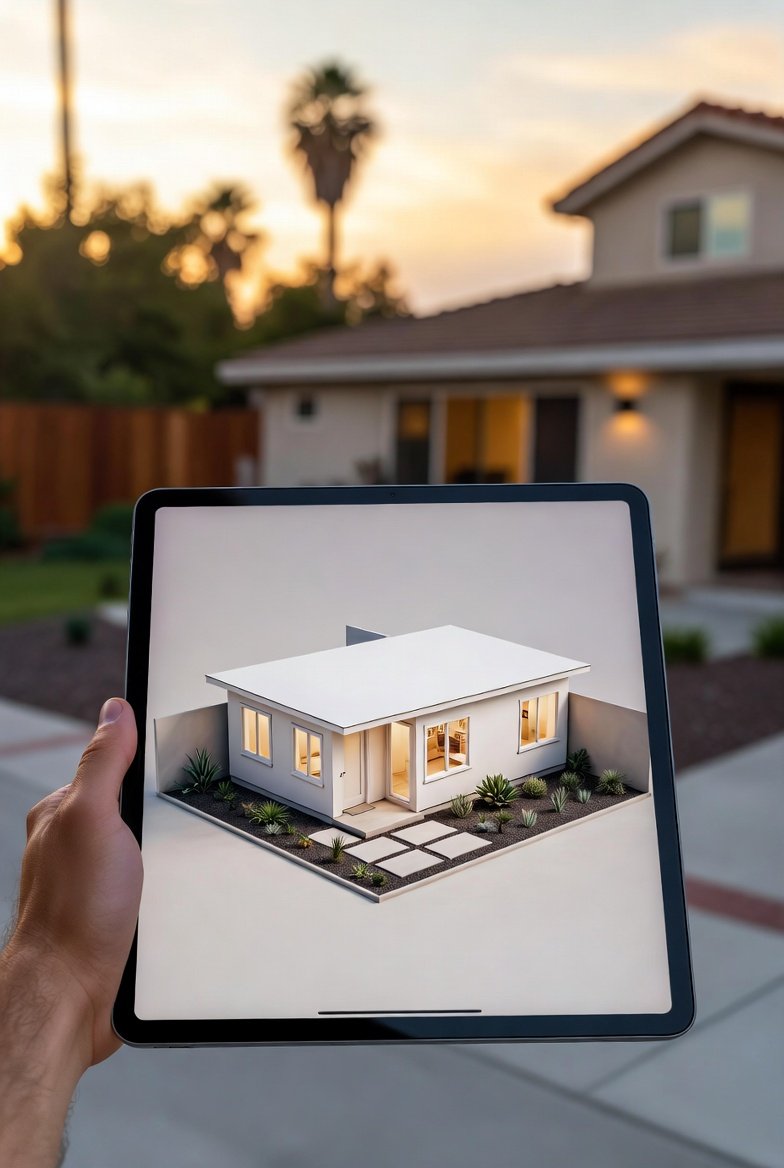
Detached ADUs offer the most architectural freedom — custom footprint, independent entrance, and maximum privacy from the main residence — but require new foundations, full utility connections, and the most construction time. They are the right choice when the lot can support them and the goal is a well-designed, high-value independent unit.
Attached ADUs share a wall with the main home, reducing envelope costs while maintaining privacy through thoughtful layout. They work well on narrower lots where a fully detached structure would compromise usable yard space.
Garage conversions remain the fastest and lowest-cost route, especially in neighborhoods with alley access. They minimize exterior alterations and maximize interior efficiency by working within the existing structural envelope — making them the most practical option for homeowners prioritizing speed and budget over architectural independence.
Detached ADU
New foundation, full utility connections, and maximum design flexibility. Best for lots with enough depth to allow rear-yard placement without compromising primary home usability. Highest cost, highest long-term value.
Attached ADU
Shares a wall with the main residence, reducing exterior envelope costs. Works well on narrower lots where a detached structure would dominate the yard. Privacy is achieved through layout rather than physical separation.
Garage conversion
The fastest and most cost-effective path. Existing slab, walls, and roof are retained and upgraded to meet current energy and seismic standards. Ideal for properties with detached garages and alley access.
Budget ranges and what drives cost
ADU costs vary by project type, size, and site complexity. Los Angeles construction costs have remained elevated due to labor, material volatility, and tight subcontractor availability.
Garage conversion
$130k – $210k
Attached ADU
$180k – $320k
Detached ADU (400–800 sf)
$220k – $420k
Utility upgrades
$10k – $45k
What drives cost variation
Foundation type, utility distance to tie-in points, soil conditions, panel upgrade requirements, and finish level are the primary cost drivers. Hillside lots and sites with limited access add complexity that affects both labor hours and equipment requirements.
Contingency planning matters here. For ADU projects, 10–15% is standard. For sites with unknown utility conditions or existing structures that require demolition, 20% is more realistic.
Rental and equity return
Studio ADUs on the Westside typically rent for $1,950 to $2,300 per month. One-bedroom ADUs average $2,400 to $3,100 per month across Los Angeles. Homes with ADUs command higher resale premiums and appraise more favorably — underwriters increasingly treat them as income-producing auxiliary units that strengthen overall property desirability.
From permit to final inspection
State law mandates expedited review for ADUs, limiting discretionary oversight. Understanding the sequence from permit submission through construction closeout helps set realistic expectations.
Permitting, sequencing, and utilities
Typical LADBS review cycles range from 4 to 12 weeks depending on corrections requested. Coastal zones, hillside areas, and fire hazard zones may require additional clearances beyond standard plan check.
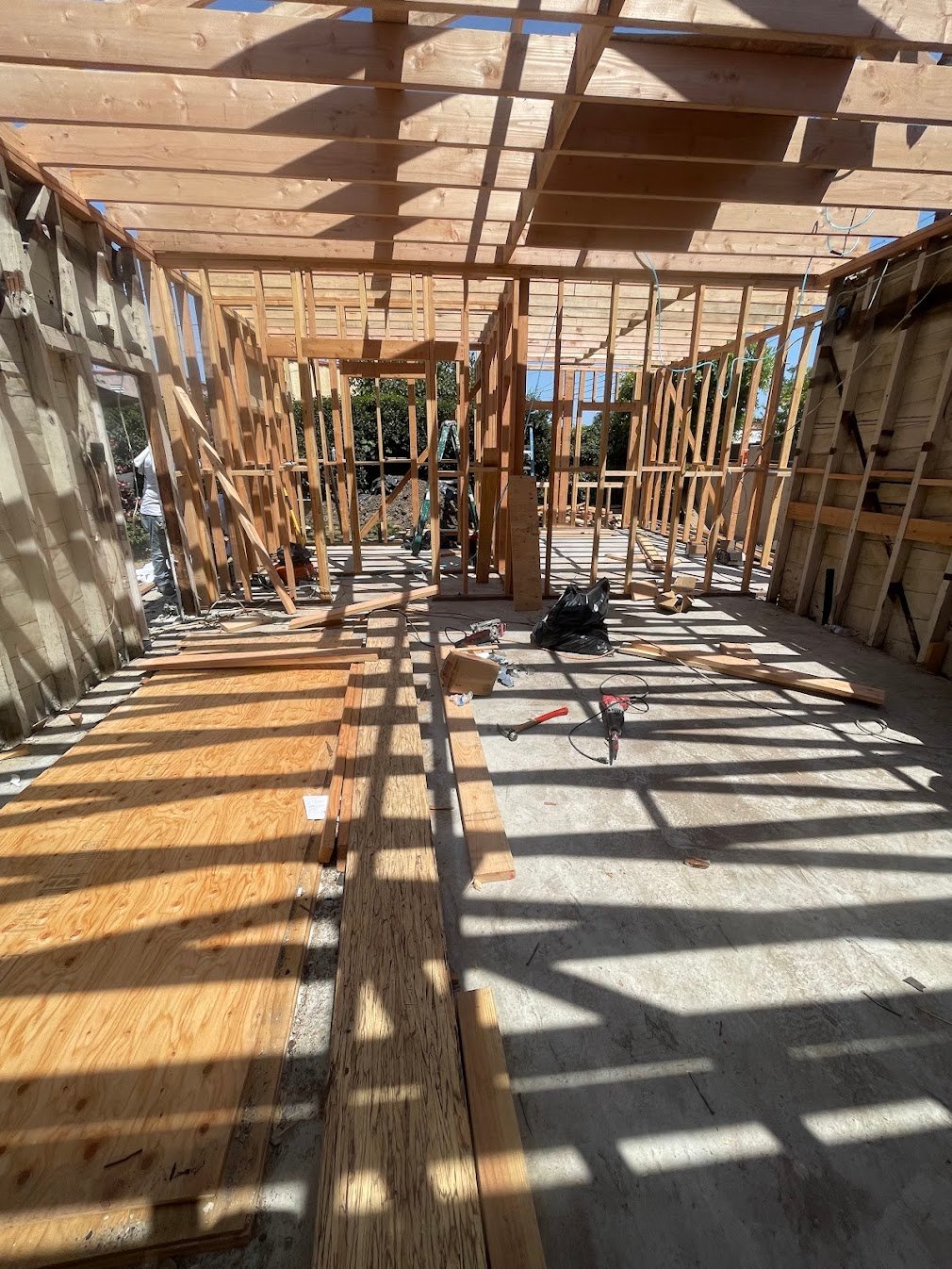
The construction phase unfolds through grading, trenching, foundation preparation, framing, systems rough-in, insulation, drywall, finishes, and final inspection. Detached ADUs follow a streamlined sequence once utilities are in place. Garage conversions require strategic demolition to preserve structural elements while updating the envelope to meet current energy and seismic standards.
Utility coordination — electrical load calculations, sewer capacity, water pressure, and backflow prevention — shapes both the construction sequence and the budget. Gas service may be optional if the ADU uses all-electric appliances, which can simplify permitting and reduce long-term operating costs.
Structural engineering
Every ADU requires structural analysis for seismic compliance. Foundations address soil bearing capacity, drainage, and uplift forces. Garage conversion slabs often need reinforcement or moisture barriers.
Title 24 compliance
California's energy standards mandate insulation thicknesses, window performance ratings, mechanical ventilation, and appliance efficiency. ADUs built today are significantly more efficient than older homes.
Utility tie-ins
Electrical panel upgrades, sewer trenching depth, water meter separation, and gas service decisions are all resolved during pre-construction — before work begins, not after surprises appear in the field.
Site logistics
Rear-yard placements require clear equipment access. Alley access significantly reduces site complexity for garage conversions. Tight urban lots in Venice, Silver Lake, and Hancock Park require specific logistics planning.
ADUs that feel intentional
The most successful ADUs are architecturally coherent with the main residence and designed to function well as long-term living spaces — not just added square footage.
Architectural integration and material choices
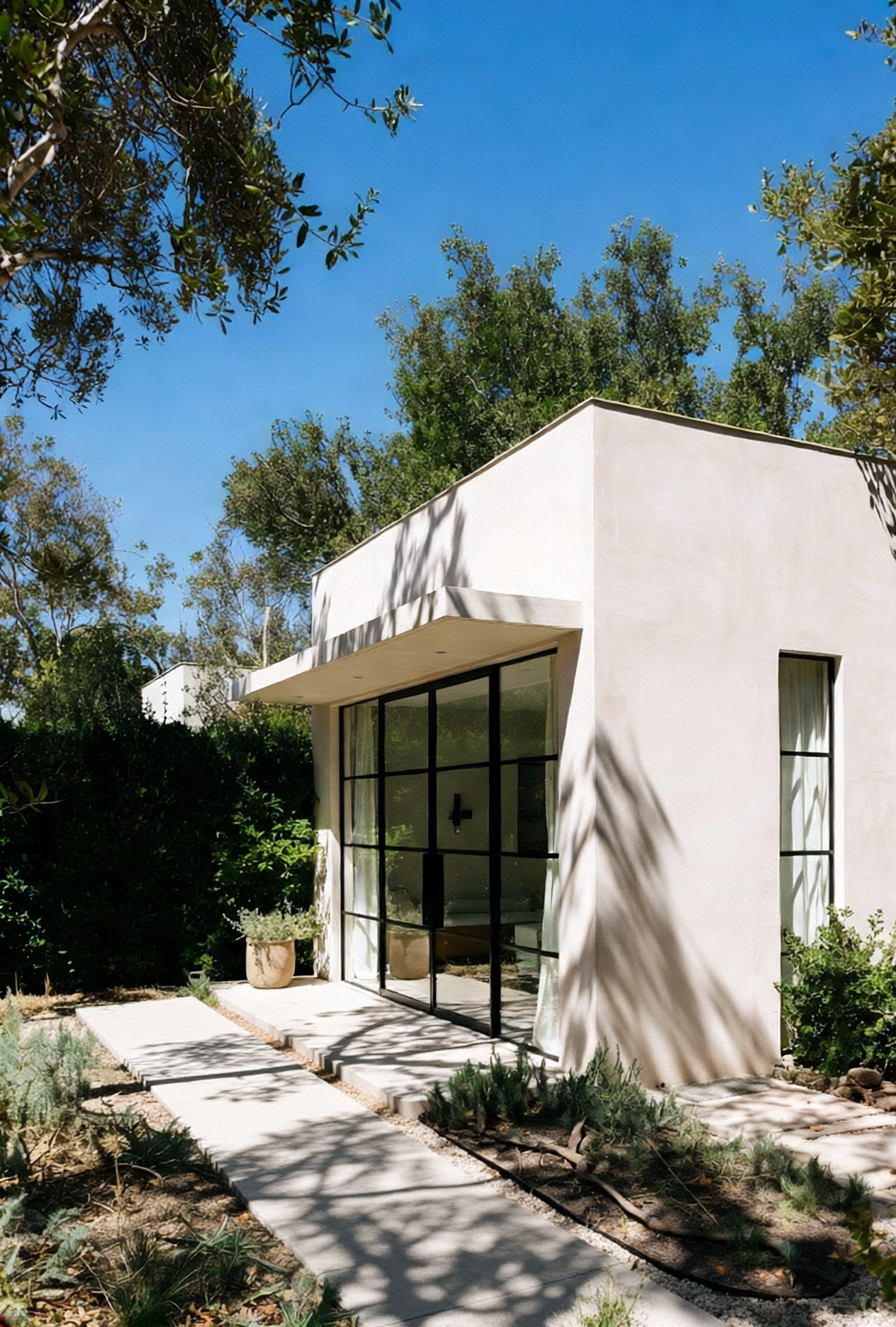
Tonal continuity, matching rooflines, and simplified modern palettes create a cohesive visual experience between the ADU and the main residence. Materials like plaster, fiber cement, and minimal-profile steel windows complement Los Angeles' architectural context without inflating budgets.
Interior efficiency matters as much as exterior appearance. In compact footprints, the relationship between kitchen, living, sleeping, and storage directly determines how livable and rentable the unit actually is. A well-planned 500-square-foot ADU outperforms a poorly planned 700-square-foot one in every meaningful metric — rental income, occupant satisfaction, and long-term maintenance.
Before you start the ADU process
Questions most Los Angeles homeowners have before beginning an ADU project — answered directly.
California's statewide legislation overrides most local zoning restrictions. R1, R2, RD, and multifamily zones are all eligible. Most standard parcels can support at least one detached ADU and one junior ADU simultaneously under current state law.
Garage conversions range from $130k to $210k. Attached ADUs run $180k to $320k. Detached ADUs between 400 and 800 square feet range from $220k to $420k. Utility upgrades add $10k to $45k depending on site conditions.
State law mandates expedited review. Typical LADBS review cycles range from 4 to 12 weeks depending on corrections requested. Coastal zones, hillside areas, and fire hazard zones may require additional clearances.
Studio ADUs on the Westside typically rent for $1,950 to $2,300 per month. One-bedroom ADUs average $2,400 to $3,100 per month across Los Angeles. Demand remains strong, particularly in neighborhoods with low vacancy rates.
Detached ADUs offer full architectural independence but require new foundations and utility connections. Garage conversions are the fastest and lowest-cost path — they work within the existing structure, minimizing exterior alterations and reducing construction time significantly.
Yes. Every ADU requires structural analysis for seismic compliance — Los Angeles' earthquake risk makes this a substantive requirement, not a formality. Structural calculations are submitted as part of the permit package and reviewed by LADBS before approval.
Ready to plan your ADU?
Onyx works with homeowners across Los Angeles on ADU projects from early feasibility through final construction. Bring the address and what you're thinking — we'll help you understand what's possible and what it takes to get there.