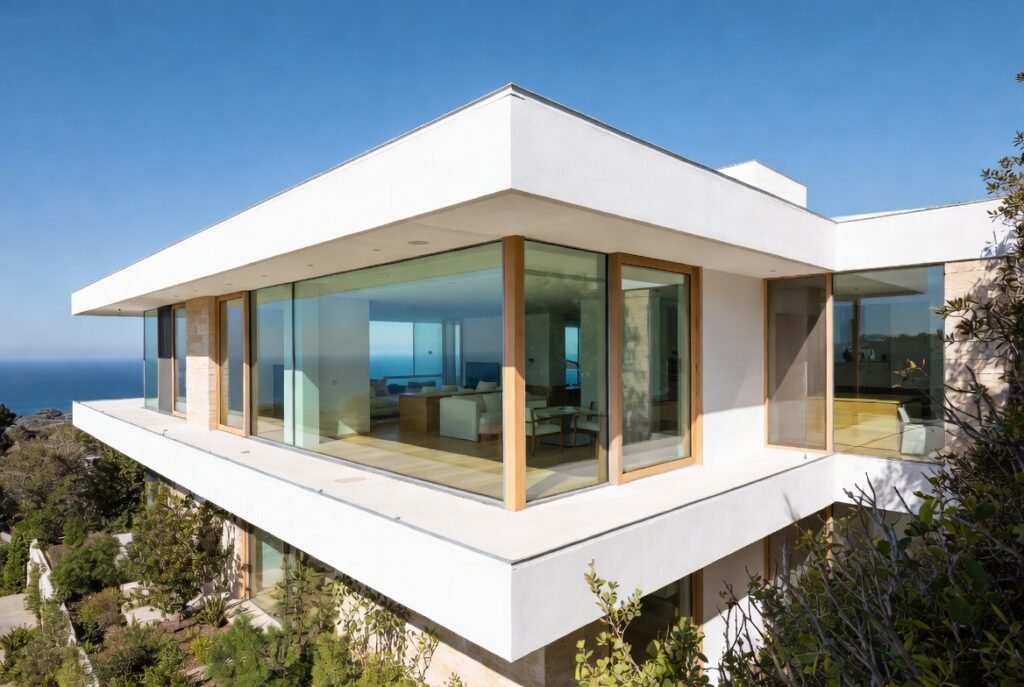
A home addition should never look added on.
Many Los Angeles homeowners do not just want more square footage. They want a home that feels better to live in and still looks like itself when the work is done. At Onyx General Construction, we approach additions with that standard from the beginning so the new space feels resolved, useful, and fully connected to the original house.
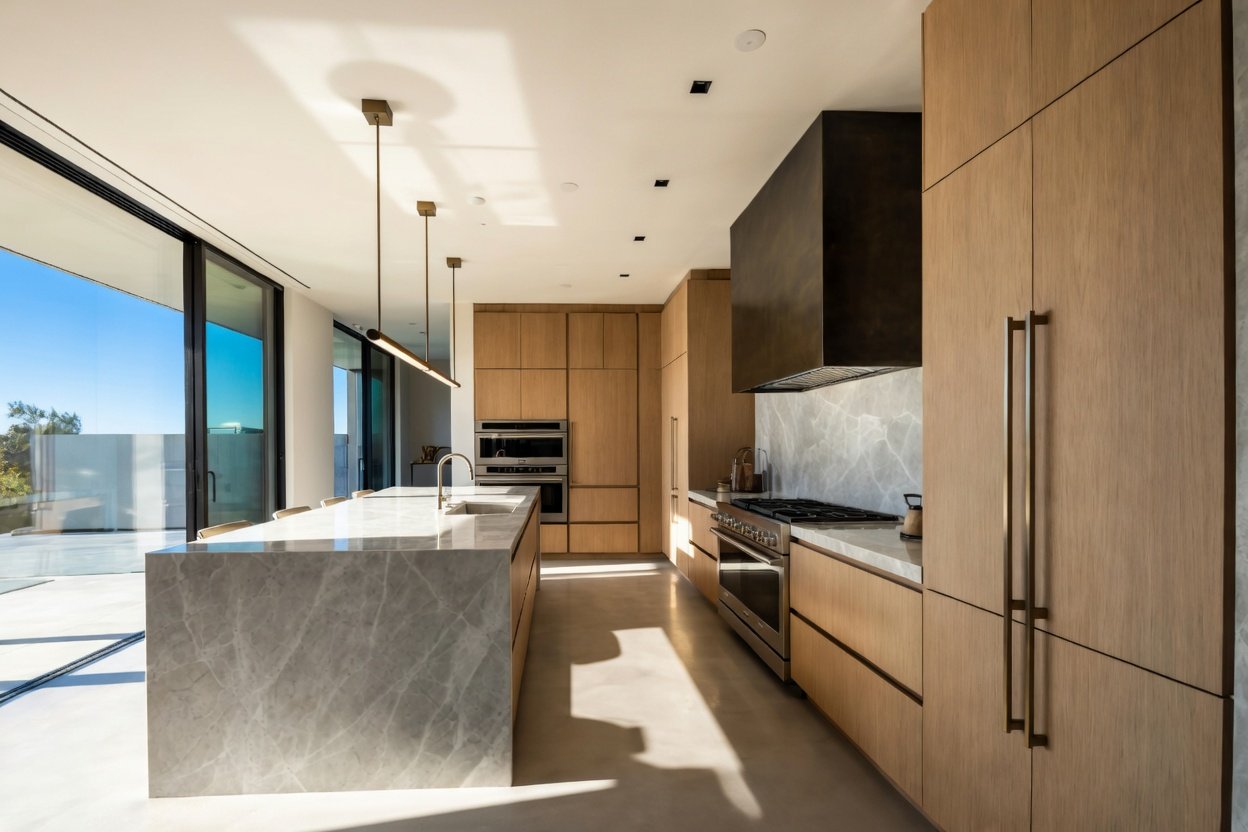
The difference between more square footage and a better house
A planning guide explains the early decisions. This conversation picks up where that leaves off: what actually makes an addition feel intentional once the design starts taking shape. In Los Angeles, where homes in Culver City, West LA, Santa Monica, Mar Vista, and Venice often carry strong existing character, that distinction matters.
The best additions do not announce themselves. They improve how the house works, clean up circulation, bring in better light, and make the overall layout feel more resolved than it did before. That might mean a rear family room expansion, a second-story bedroom level, or a kitchen enlargement tied to major remodeling. The common thread is restraint: every move should make the home feel more complete, not more complicated.
Why some additions feel tacked on
Most awkward additions come from solving only the size problem. A room gets added, but the roofline does not relate to the original house. Window heads no longer align. Floor levels change in a way that feels accidental. The new space may be larger, but the house loses proportion. Inside, the transition can be even more obvious: strange ceiling drops, doors that no longer make sense, hallways that feel like afterthoughts, and natural light that gets worse instead of better.
That is why a good room addition contractor in Los Angeles has to think beyond the new square footage. The addition needs to solve architecture, structure, and daily use at the same time. When those pieces are coordinated early, the result feels calm and obvious in the best way.
What makes an addition feel original to the house
Proportion comes first. The massing of the new work should support the original home rather than compete with it. Roof slopes need to feel related. Window placement should follow a rhythm instead of creating a clear visual break between old and new. Exterior finishes do not have to be identical in every case, but they should feel like part of the same language. Inside, ceiling height transitions, flooring continuity, casing details, and sightlines matter just as much. A family room addition in Culver City or a second-story addition in Los Angeles should feel like the house has become more complete, not like it has been patched together in phases.
The design moves that matter most
Homeowners usually notice the finished feeling, but that feeling comes from a handful of practical decisions handled well.
Rooflines, windows, and massing
A seamless exterior starts with the big moves. Roof shapes need to relate to the original structure, window heads should align where possible, and the new volume should support the proportions of the house rather than overpower them.
Circulation that feels natural
Good additions improve how you move through the home. The new room should feel like a continuation of the existing layout, not a destination reached through a leftover hallway or a pinch point in the plan.
Natural light as part of the plan
The goal is not only to brighten the new square footage. It is to keep the older part of the home from becoming darker once the addition is built. Openings, glazing, and room relationships need to be planned together.
Where seamless additions usually make the biggest impact
Not every project needs a dramatic change. Often the most successful additions are the ones that solve one clear problem and let the whole house work better around it.
Rear additions and family room expansions
Rear additions are often the cleanest way to enlarge a Los Angeles home without disrupting its street presence. They work especially well when the goal is to open the kitchen, extend the family room, and strengthen the connection to the backyard. In neighborhoods like Culver City and Mar Vista, that can transform a home without making it look overworked from the front.
Second-story additions with better balance
On tighter lots, building up is often the right move. The challenge is keeping the house from feeling top-heavy or visually disconnected. A second-story addition should look measured from the street and feel completely integrated inside, with stair placement, structure, and exterior detailing all working together.
Why additions often work best with remodeling
The new square footage should not solve one problem while leaving the rest of the house behind.
One coordinated layout
A new addition can expose weaknesses in the existing floor plan. Once you add space, old bottlenecks become more noticeable. Pairing the addition with targeted major remodeling gives the whole house a chance to work as one composition instead of as an old plan plus a new room.
Fewer compromises in the finish
Remodeling at the same time also helps with consistency. Flooring transitions, millwork profiles, lighting strategy, and material pacing can be resolved together, which is often what gives a project that calm, finished feeling homeowners are really after.
How Onyx approaches seamless additions
Design-build is especially valuable when the goal is not just more space, but better integration.
Read the existing house first
We start by understanding what already works, what feels unresolved, and what the home is trying to become.
Set the architectural rules
Rooflines, openings, floor levels, and key transitions get resolved early so the new work has a clear language.
Coordinate structure with design
Structural changes, spans, and load paths are planned to support the layout and not fight against it later.
Carry the finish through construction
Materials, light, trim, and field execution stay aligned so the built result still feels intentional at the end.
Proudly serving Culver City and greater Los Angeles
We work throughout Los Angeles and pay close attention to the neighborhood context of each project. A rear addition in Culver City, a second-story addition in West LA, or a family room expansion in Santa Monica should each respond to the existing house and the way people actually live in that part of the city.
At Onyx General Construction, we believe the strongest additions do not chase attention. They make the entire home feel clearer, calmer, and more usable. If you already know you need more space but you care just as much about how the finished house will feel, that is the right starting point. A seamless addition is not just a construction project. It is a design decision about how your home should live going forward.
Frequently asked questions
A few of the most common questions Los Angeles homeowners ask when they want an addition that feels fully integrated.
It comes down to proportion, rooflines, window rhythm, finish language, and interior flow. The old and new parts of the home need to read as one composition.
Often yes. Rear additions can enlarge living areas while preserving the front-facing character of the home and strengthening the connection to the backyard.
When the lot is tight and the home needs meaningful square footage without losing yard space, building up is often the right answer.
In many cases, yes. Coordinating both at the same time helps the whole house feel more intentional and can avoid duplicate work later.