Planning a construction project in Los Angeles, from the very first step
Construction in the City of Los Angeles is a multi-agency process, not a single conversation with a single department. Before a shovel moves, a real project passes through surveys, records, zoning, Planning, LADBS, LADWP, LADOT, and LA Sanitation — each with its own portal, timeline, and rules. This guide walks through the full sequence so owners know what comes next, what to file where, and what to expect.
How construction planning in Los Angeles actually works
The City of LA has the most layered construction process of any Westside jurisdiction. LADBS issues the building permit. LA Planning decides whether the project fits zoning or needs a discretionary approval. LADWP provides water and power service. LADOT and the Bureau of Street Services control the sidewalks and the curb. LA Sanitation and Environment regulates how construction and demolition debris leaves the site. Every one of those conversations has to happen in the right order.
Every department has its own portal
LADBS uses ePlanLA. Planning uses its zoning review and approvals pathways. LADOT issues right-of-way permits for dumpsters, pods, and street closures. LADWP handles service upgrades. Treating each portal as a separate workstream — scheduled in the right sequence — prevents the kind of delay where one missing application holds up the rest.
Waste and right-of-way rules are real scope
Construction and demolition debris has to be handled through the city's program with documented diversion. Dumpsters and pods on the street require LADOT permits. Work hours fall under the LA noise ordinance. These are not afterthoughts; they belong in the project plan alongside the building permit.
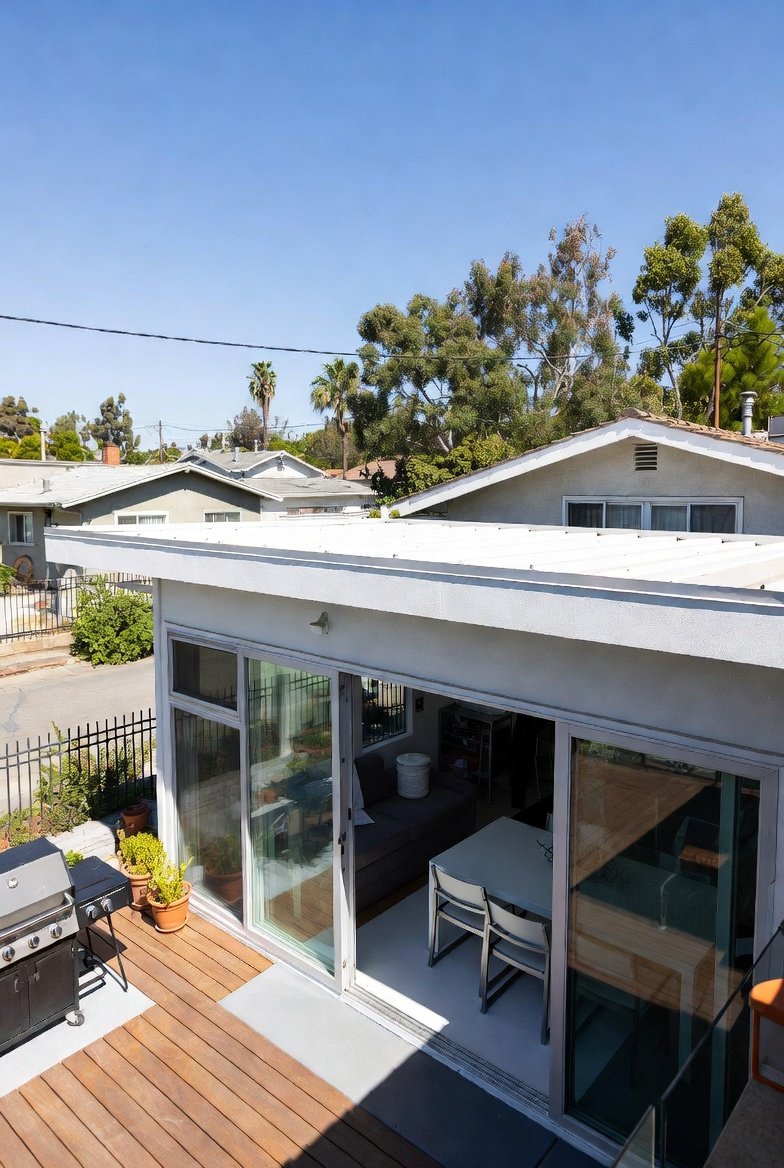
Step-by-step: the full Los Angeles planning and construction sequence
The order below is the one that minimizes rework. Each step maps to a specific department, portal, or document. Experienced LA owners and contractors rarely skip a step; the cost of a missed step almost always exceeds the cost of doing it properly.
Define the project scope and goals
Before any drawing or survey, get the scope honest. Is this an addition, a remodel, an ADU, a second story, a new build? Budget, timeline, and financing all depend on the real scope, and so does the permitting path.
Commission a licensed land survey
A current boundary and topographic survey from a California-licensed surveyor anchors every later decision. Confirm the surveyor is in good standing through the California BPELSG license lookup.
Pull title and property records
A preliminary title report reveals recorded easements, CC&Rs, and encumbrances that often decide what can be built and where on the lot. Do this before schematic design, not after.
Zoning and parcel lookup via ZIMAS
Check zone, height district, FAR, and overlays on ZIMAS, then verify using the LA Planning zoning search. HPOZ, specific plans, and coastal overlays change everything that follows.
Pull prior permit history
Review the property's existing permits via the LADBS building permits portal. Unpermitted prior work has to be resolved — legalized, removed, or documented — before a new permit can issue.
Schematic design and plan development
Turn survey, title, and zoning inputs into a schematic design, then into a full permit drawing set: site plan, floor plans, elevations, sections, structural, Title 24 energy, and full MEP coordination.
Planning approvals and pre-submittal meeting
For anything that needs a variance, adjustment, HPOZ review, specific-plan finding, or coastal development permit, clear it through LA Planning zoning review and the Planning approvals pathway before plan check.
Permit application and plan check via ePlanLA
Submit the full construction documents through ePlanLA, LADBS's electronic plan check portal. Reference the LADBS homeowner step-by-step as the process baseline. Respond to corrections completely — that is where most of the schedule is won or lost.
Utility coordination (LADWP, SoCalGas)
Meter upgrades, new water services, sewer laterals, and gas line relocations have their own lead times. Open the LADWP and SoCalGas conversations as soon as the MEP strategy is locked, not at framing.
Permit issuance and sub-permits
Once plan check clears and fees are paid, the building permit issues. The contractor then pulls separate electrical, plumbing, and mechanical sub-permits so every trade has its own inspection record.
Right-of-way permits (LADOT / BSS)
Dumpsters, pods, debris bins, scaffolding, temporary fencing, and sidewalk closures in the public right-of-way require separate permits from LADOT or the Bureau of Street Services. Apply well before they are needed — these do not turn on the day you call.
Construction waste and C&D diversion (LA Sanitation)
The City of LA requires Construction and Demolition waste to move through the city's program, typically via a franchised or certified hauler with documented recycling and diversion. Arrange the hauler before demolition begins and keep receipts for closeout. LA Sanitation and Environment publishes the current rules; confirm your contractor is using an approved hauler.
Construction hours, neighbor notice, and site logistics
LA's noise ordinance restricts construction hours, typically to weekday daytime windows with tighter limits on weekends and holidays. A neighbor notice letter, staging plan, dust-control plan, and (for qualifying projects) stormwater management are all part of a clean pre-construction package.
Inspections during construction
Expect inspections at demolition, foundation, framing, rough MEP, insulation, drywall, and trade sign-offs. Missed inspections cause red tags and rework; coordinate them like a standing calendar item.
Final inspection and Certificate of Occupancy
Once all trades pass final and Title 24 verification clears, LADBS issues final sign-off. For projects that create new habitable area, a Certificate of Occupancy closes the record and protects resale and refinance.
Construction logistics owners often underestimate
The building permit is the headline. The items below are where projects actually get stuck or fined. Build them into the plan from day one.
Waste disposal & C&D diversion
Construction and demolition debris must leave the site through an approved hauler with documented diversion. Keep hauler receipts, weight tickets, and recycling reports for the project record — they are often requested at closeout.
Dumpster & pod right-of-way permits
Anything placed on the street or sidewalk — dumpster, storage pod, scaffolding, fencing, temporary traffic control — requires a permit. Applications take days, not hours, and renewal is common on longer projects.
Hours, noise, and neighbor relations
The noise ordinance restricts construction hours. A written neighbor notice before demolition and framing — with the contractor's contact, permit numbers, and expected timeline — reduces complaints dramatically and keeps inspectors happy.
Official resources: City of Los Angeles
The links below are the authoritative starting points for each phase. Confirm jurisdiction on ZIMAS first — pockets of unincorporated LA County and adjacent cities sit right against city boundaries.
LADBS — permits & plan check
The building permit path and the ePlanLA electronic plan check route.
LA Planning & zoning
Zoning lookup, zoning review, and discretionary approvals — everything that sits before plan check.
Neighborhood service guides for Los Angeles projects
The service-specific guides below apply this same planning process to particular project types and neighborhoods in the City of LA. Use this page for the end-to-end process; use the links below for project-specific detail.
Major home addition — Los Angeles
For owners planning a major addition anywhere in the City of LA.
Building an ADU — Beverly Grove
ADU planning on tight Beverly Grove lots.
Whole-home remodel — Carthay
Whole-home remodel planning with HPOZ sensitivity.
Adding a room — Pico-Robertson
Room additions on narrow Pico-Robertson lots.
Second-story addition — Miracle Mile
Vertical additions with foundation and height-district considerations.
Common mistakes when starting a Los Angeles construction project
These are the recurring patterns that quietly double timelines and budgets. Every one of them is avoidable with a more disciplined planning phase.
Starting design before pulling records
Designing before the survey, title, and ZIMAS reports is the single most common source of redesign in LA. The buildable envelope is almost always smaller than the lot looks.
Forgetting the right-of-way and waste workstreams
Dumpster permits, C&D diversion, and construction-hour compliance are not optional. Treating them as the contractor’s afterthought is how clean permits turn into stop-work orders and fines.
Frequently asked questions
The questions LA owners ask most often when they first sit down to plan a project.
Define scope, commission a licensed survey, pull title, and check ZIMAS — before any design work begins.
Most meaningful projects do. LADBS issues the building permit; minor cosmetic repairs are the main exception.
Yes. LADOT or the Bureau of Street Services issues right-of-way permits for anything placed on the public street or sidewalk.
C&D debris must move through the city’s program, typically via a franchised or certified hauler with documented diversion. Keep the receipts for closeout.
LA’s noise ordinance restricts construction to specific daytime hours with tighter limits on weekends and holidays. Confirm the current window with your contractor.