Building an ADU in Beverly Hills, on terms the city expects
Beverly Hills runs its own Building & Safety division, its own Electronic Plan Review, and its own design expectations. An ADU here is as much a design-coordination project as a permit one — best outcomes come from treating the Permit Center's process as a framework rather than a formality. This guide walks through how a BH ADU actually unfolds.
Why building an ADU in Beverly Hills takes a specific approach
Beverly Hills protects its streetscape with a process that actively reviews exterior changes. Flat-lot homes sit close to neighbors on consistent street walls; hillside properties add grading, height, and view-corridor standards. An ADU has to work with the primary residence, the block, and the city's review layer simultaneously.
Design review is a real workstream
Visible exterior scope often triggers design-review coordination on top of standard plan check. Plan for that layer during schematic design.
Hillside rules drive feasibility
For hillside parcels, grading, height, and drainage standards decide what's buildable. Resolve those questions before design locks in.
What Beverly Hills owners typically build
ADU projects in the city cluster around a few patterns, each with its own planning path.
Detached rear-yard ADUs on flat lots
New small structures at the rear of flat-lot estates. Setbacks, fire separation, and utility capacity drive the design.
Hillside ADUs and garage-integrated units
On hillside parcels, ADUs often piggyback on existing structures or garages to avoid new grading. Civil engineering coordination is usually required.
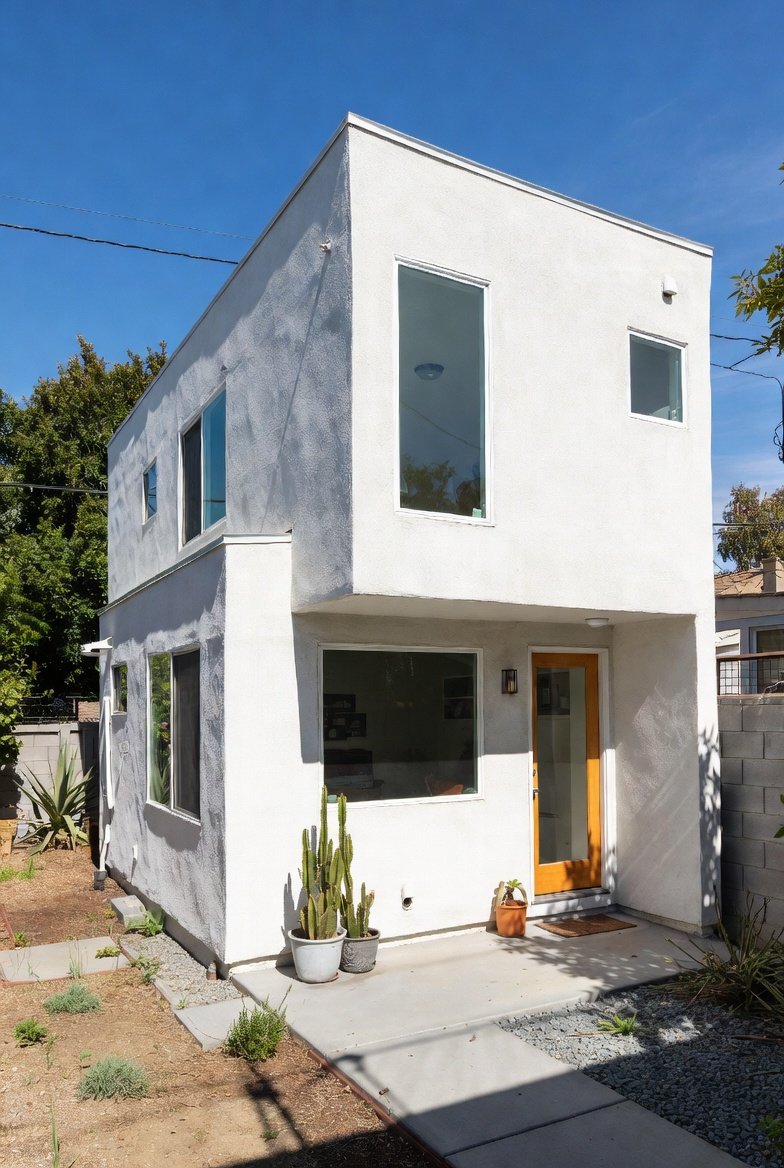
Step-by-step: how a Beverly Hills ADU actually unfolds
Each step is tied to the correct BH department or portal. Treating the process like LA's causes real rework.
Licensed land survey
Start with a current boundary and topographic survey. Verify the surveyor through the California BPELSG license lookup. For hillside parcels, topographic detail matters more than the boundary.
Title and property records
Pull a preliminary title report and any recorded easements or view restrictions. BH parcels often carry deeded conditions.
Zoning and parcel lookup
Confirm zoning, hillside status, and overlays with Beverly Hills Building & Safety. Reference the Permit Center Guide PDF.
Prior permit history
Pull permit history through the Permit Center channels. Legacy unpermitted accessory structures must be resolved before a new ADU permit issues.
Schematic design and plan development
Turn survey, title, and zoning inputs into schematic design, then into a full permit set: site plan, floor plans, elevations, structural, Title 24 energy, and MEP. Cross-reference California HCD ADU rules for the state baseline.
Design review coordination
For any visible exterior scope, coordinate design review before heavy construction drawings. Reference the Permit Center guide for expected path.
Permit application and Electronic Plan Review
File through BH Permit Applications and submit drawings through BH Electronic Plan Review.
Permit issuance and sub-permits
Once plan check clears and fees are paid, the permit issues. The contractor pulls separate electrical, plumbing, and mechanical sub-permits.
Inspections during construction
Expect inspections at foundation, framing, rough MEP, insulation, drywall, and trade sign-offs. Beverly Hills inspectors coordinate their own schedule.
Final inspection and Certificate of Occupancy
Once all trades pass final and Title 24 verification clears, BH issues final sign-off. A Certificate of Occupancy closes the record for the new dwelling unit.
What makes a Beverly Hills ADU feel like it belongs
The strongest ADUs in the city feel intentional — they look like part of an estate rather than a detached pod.
Material continuity with the primary residence
BH lots reward restraint. When the ADU shares the same material palette, rooflines, and window proportions as the main house, the pair reads as one property.
Landscape as connective tissue
The yard between the main house and ADU becomes its own outdoor room. Paving, planting, and lighting during design matter as much as the building itself.
Jurisdiction resources: Beverly Hills & California HCD
For the full step-by-step sequence, start with the Beverly Hills construction planning-process guide. Beverly Hills is its own jurisdiction — use BH Building & Safety for any ADU inside city limits, paired with California HCD guidance for the state baseline.
BH Building & Safety
Permit applications, Electronic Plan Review, and Permit Center guidance.
California HCD — statewide ADU rules
State-law baseline on unit size, setbacks, and parking waivers.
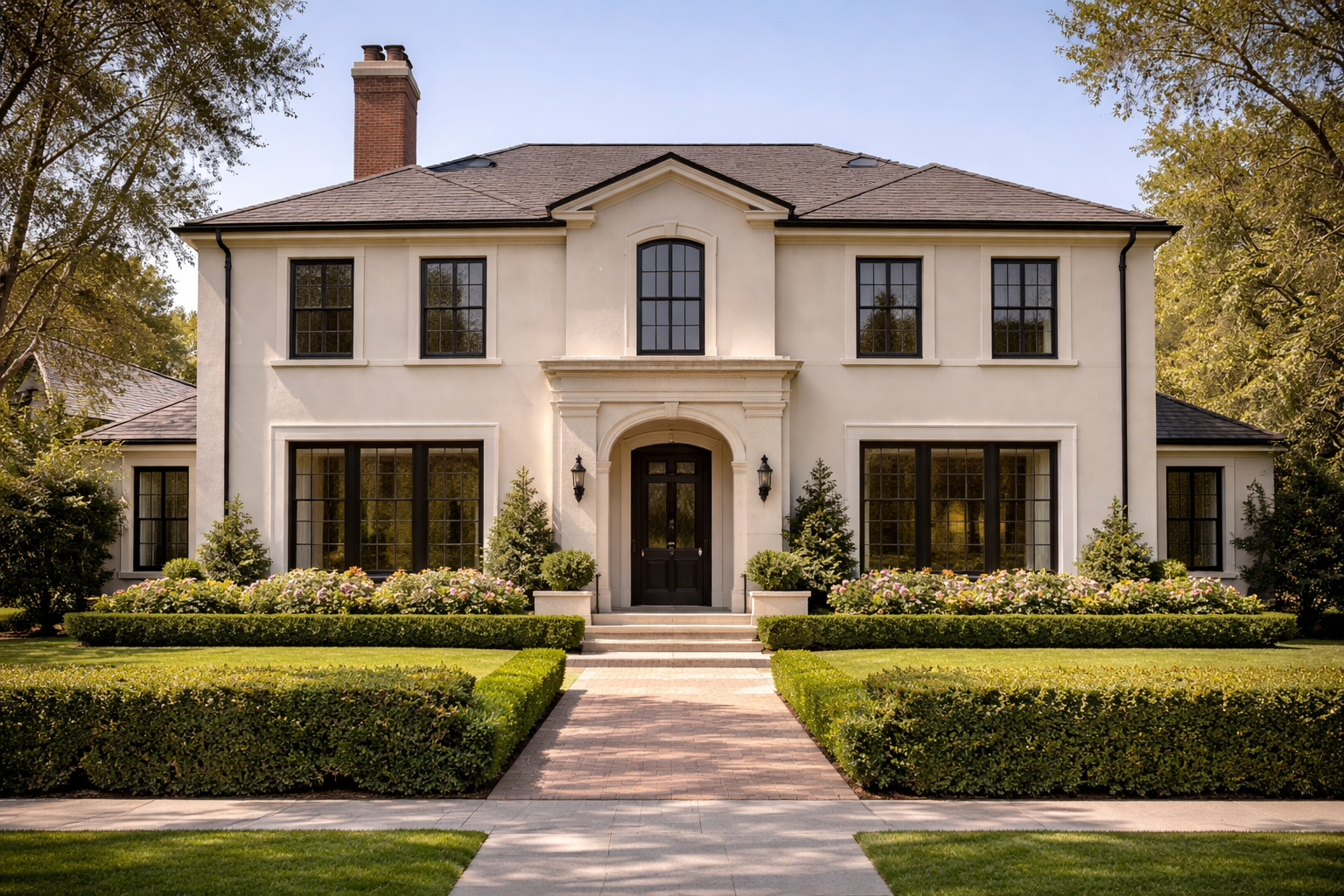
Common mistakes Beverly Hills owners make building an ADU
Most painful stories come from treating the process like LA's or ignoring the design-review layer.
Filing to the wrong jurisdiction
BH is not LA. Electronic Plan Review is the correct route.
Treating design review as an afterthought
Design review for visible exterior scope adds a real layer. Loop it in during schematic design.
Frequently asked questions
What Beverly Hills owners ask most often before committing to an ADU scope.
In most cases, yes. Confirm with BH Building & Safety first.
No. Beverly Hills runs its own Electronic Plan Review.
Often yes for visible exterior scope. Plan for it during schematic design.
On hillside parcels, yes. They affect grading, height, and drainage.
Depends on completeness and whether design review applies. Complete first submissions move fastest.