Building an ADU in Culver City, within the city's own process
Culver City runs its own Building & Development division and its own Planning Applications process. An ADU here is not an LA project in disguise — it moves through its own permit path, its own standards, and often its own utility coordination. This guide walks through how a Culver City ADU actually unfolds, from the first survey to the final inspection.
Why building an ADU in Culver City takes a specific approach
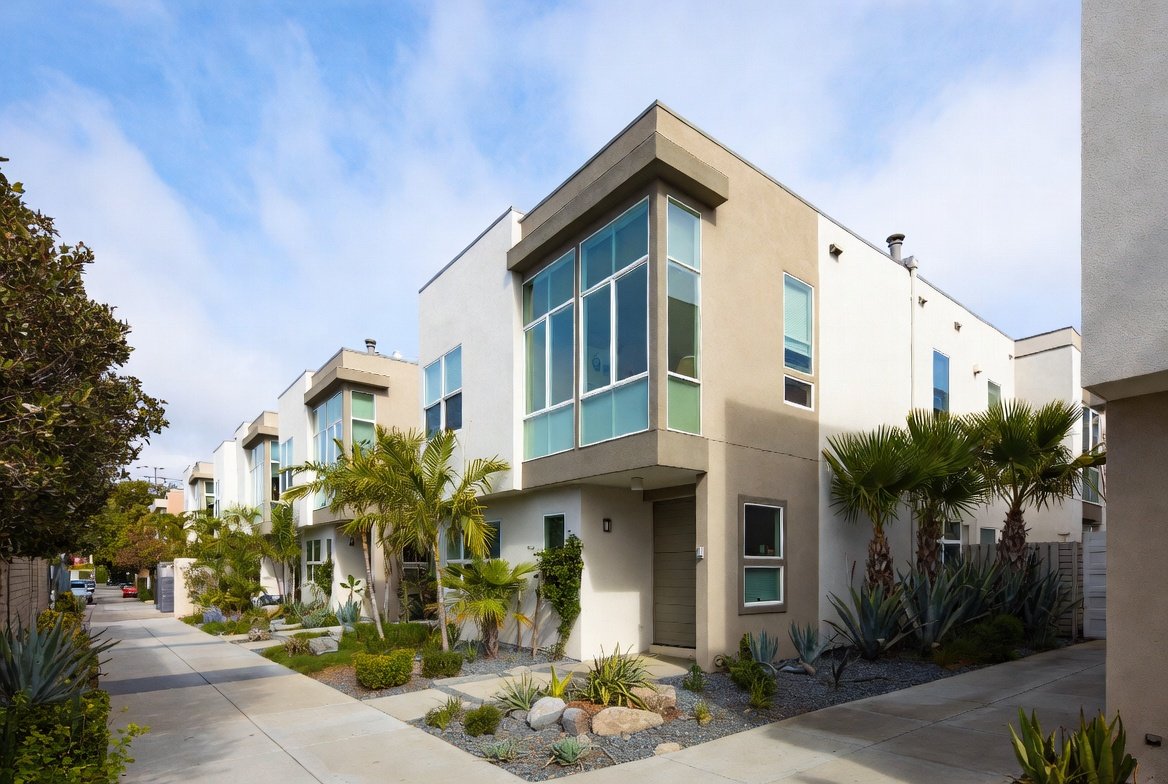
Culver City mixes compact single-family neighborhoods, older duplexes, and newer small-lot development. Lot sizes are smaller than much of greater Los Angeles, and rear yards often carry mature planting, shared drainage, and legacy accessory structures. A Culver City ADU has to thread local setbacks, coverage, parking, and neighborhood compatibility while staying within state ADU law. Most owners benefit from a short feasibility check before schematic design rather than after.
The lot is the first real constraint
Survey data, title conditions, and existing utility routing all affect where an ADU can sit. Setting those answers in week one is what keeps design from being redrawn later.
Planning Applications are a real category
If the ADU needs a modification, variance, or design review, it follows the Planning Applications process before the building permit. Confirming the right path early keeps the schedule clean.
What Culver City owners typically build
Most ADU projects in Culver City fall into a handful of patterns, each with its own planning path.
Detached rear-yard ADUs
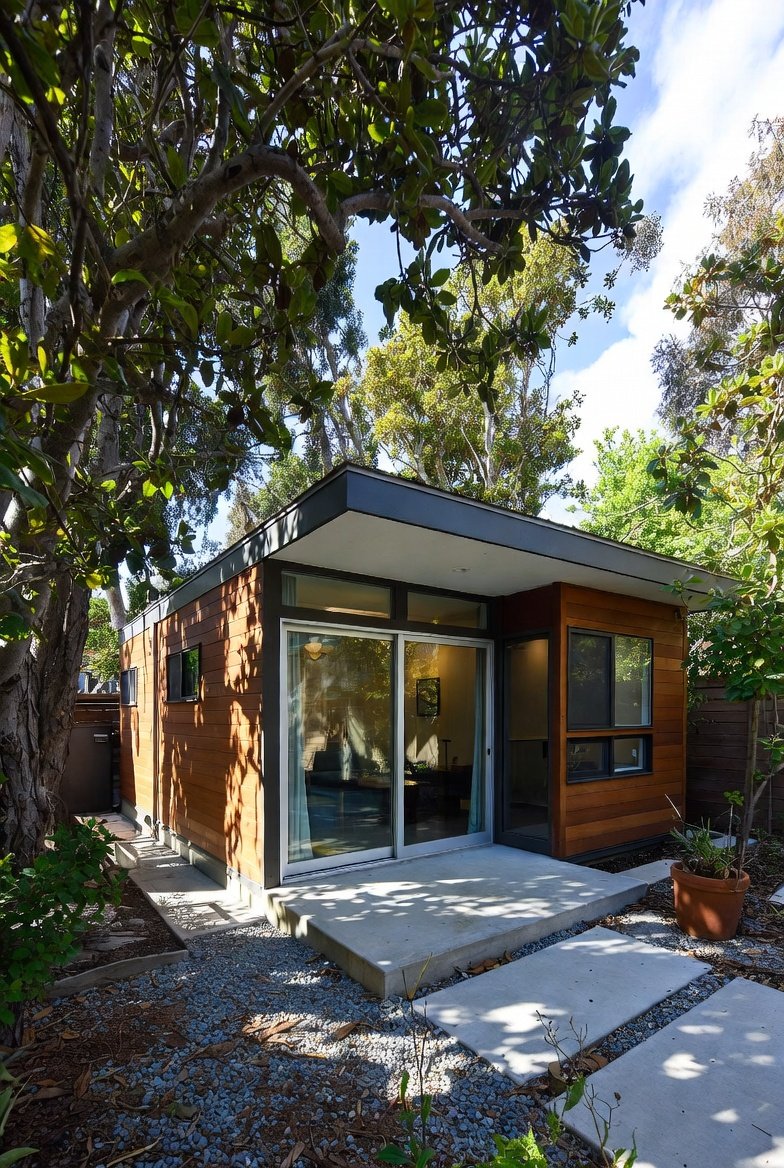
A new small structure at the back of the lot with its own entry, kitchen, and bath. These move through the shortest plan-check path when the lot has enough rear-yard depth for setbacks and fire separation.
Garage conversions and attached ADUs
Converting an existing garage or adding onto the primary home. Culver City sees a lot of these — they preserve exterior coverage, but need careful structural, Title 24, and utility work.
Step-by-step: how a Culver City ADU actually unfolds
This is the sequence owners should expect. Each step is tied to a specific department or portal, and skipping one usually adds time later.
Licensed land survey
Begin with a current boundary and topographic survey. Verify the surveyor through the California BPELSG license lookup.
Title and property records
Pull a preliminary title report and any recorded easements or CC&Rs. Rear-yard utility easements and shared driveways are common in Culver City.
Zoning and parcel lookup
Confirm zone, setbacks, and overlays with Culver City Building & Development. Pair with the California HCD ADU resource for the state baseline.
Prior permit history
Review permit history through the city's records channels. Legacy unpermitted accessory structures must be resolved before a new ADU permit issues.
Schematic design and plan development
Turn survey, title, and zoning inputs into schematic design, then into a permit drawing set: site plan, floor plans, elevations, structural, Title 24 energy, and MEP.
Planning Applications (when required)
If scope needs a modification, variance, or design review, submit the Planning Application first. Reference Planning Applications, Forms & Fees.
Permit application and plan check
File through the Culver City Building Permit Application. Complete responses to plan check comments shorten the timeline most.
Permit issuance and sub-permits
Once plan check clears and fees are paid, the permit issues. The contractor pulls electrical, plumbing, and mechanical sub-permits so each trade has its own inspection record.
Inspections during construction
Expect inspections for foundation, framing, rough MEP, insulation, drywall, and trade sign-offs. Culver City inspectors schedule independently; plan for a project-side coordinator.
Final inspection and Certificate of Occupancy
Once all trades pass final and Title 24 verification clears, Culver City issues final sign-off. A Certificate of Occupancy closes the record for rental and resale purposes.
What makes a Culver City ADU feel like part of the property
The strongest Culver City ADUs read as considered — not as an object parked behind the primary house.
Proportion echoes the primary house
When roofline, eave, and window rhythm echo the main house, the two structures read as family rather than strangers.
Outdoor space is part of the design
Paving, planting, and lighting between the main house and the ADU create an outdoor room the two buildings share.
Jurisdiction resources: Culver City & California HCD
For the full step-by-step sequence, start with the Culver City construction planning-process guide. Culver City is its own jurisdiction — use Building & Development resources for any ADU inside city limits, paired with California HCD guidance for the state-law baseline.
Culver City Building & Development
Permit application, zoning, and the overall permit path.
California HCD — statewide ADU rules
State law baseline on unit size, setbacks, parking waivers, and timelines.
Common mistakes Culver City owners make building an ADU
The recurring patterns that slow down otherwise clean projects.
Filing to the wrong jurisdiction
Culver City is not Los Angeles. ePlanLA and LADBS guidance don't apply. Use Culver City Building & Development as the primary department.
Ignoring utilities and fire separation
Sewer lateral depth, panel capacity, and fire separation between main house and ADU drive feasibility as much as square footage does. Resolve early.
Frequently asked questions
The questions Culver City owners ask most often before committing to an ADU scope.
In most cases, yes. Confirm zoning and overlays with Culver City Building & Development first.
No. Culver City has its own permit application and Planning Applications process, separate from LA.
Generally up to 1,200 sq ft detached. Actual size depends on the parcel, coverage, and setbacks.
Often yes — state law waives parking in many cases. Verify the waiver applies to your parcel before designing around it.
Depends on completeness. A complete first submission through Building & Development moves faster than a partial one.