Home Additions in Los Angeles
A technical and development-driven look at how home additions are designed, engineered, permitted, and built across Los Angeles neighborhoods.
In Los Angeles, home additions are driven by evolving family needs, increasing home values, and the scarcity of available housing. Expanding an existing home—rather than relocating—allows residents to maintain neighborhood roots while gaining modern, functional square footage. Additions provide new bedrooms, expanded kitchens, home offices, and second-story living areas, all tailored to the architectural character of the property and the zoning conditions of the lot.
Zoning Conditions for Additions in Los Angeles
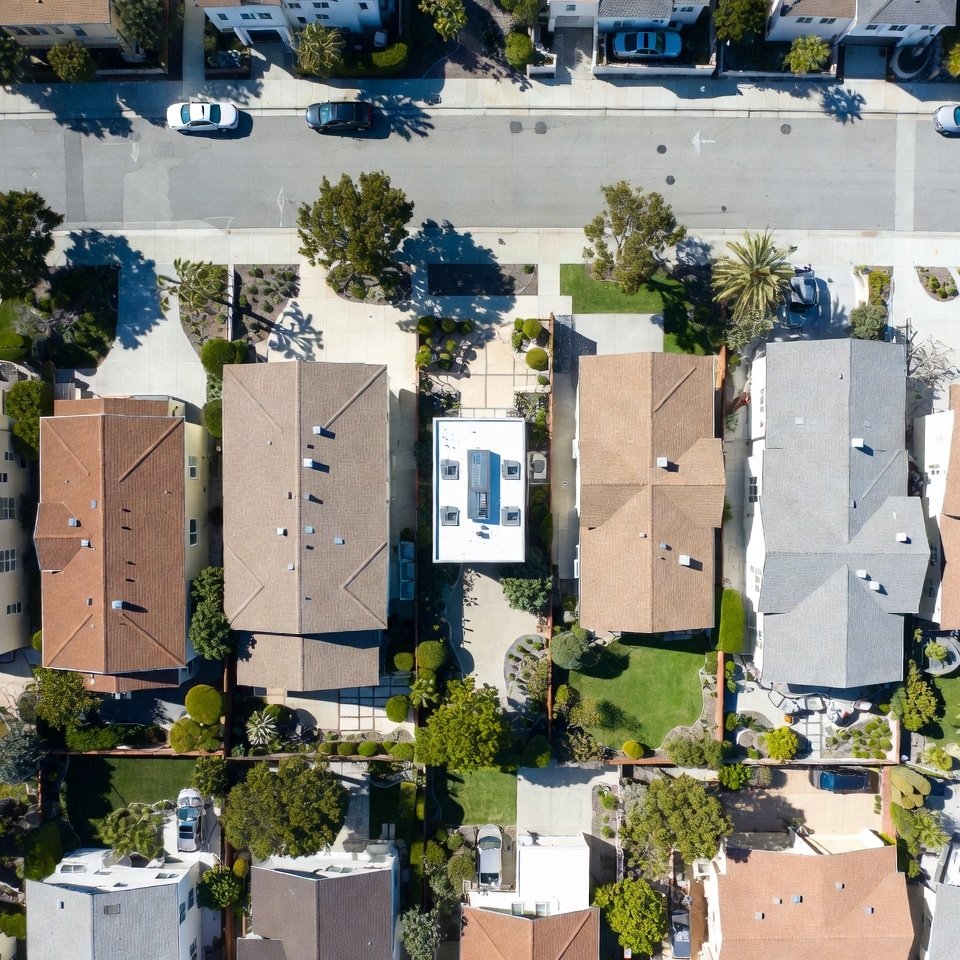
Home additions must comply with local zoning rules and state building codes. Setbacks, height limits, lot coverage, floor area ratios (FAR), and hillside regulations determine whether an addition is feasible. R1, R2, RD, and multifamily parcels each carry their own restrictions. On narrow lots, additions often move upward through second-story expansions, while deeper parcels support horizontal extensions into rear yard space.
Before design begins, feasibility must be established through a detailed study of the lot. Soil type, grading, drainage, access for construction equipment, utility locations, and existing structural conditions all shape the cost and scope of the project. Aging foundations or undersized footings may require upgrades to safely support new loads. These early evaluations prevent costly revisions down the line.
Room Additions and First-Floor Expansions
Single-story additions remain the most common type of expansion in Los Angeles. These additions extend living rooms, create new bedrooms, enlarge kitchens, or add primary suites. Designing these extensions requires careful alignment with existing rooflines, maintaining structural load paths, and ensuring that the addition blends seamlessly with the original architecture.
Building upward is often the most efficient way to add space, especially on smaller lots where horizontal expansion is limited. A second-story addition requires a full structural assessment to determine whether the existing foundation and framing can support an additional level. Engineers analyze shear walls, moment frames, footing depth, and load transfer pathways to ensure seismic compliance under California building codes.
Structural Engineering Requirements
Los Angeles additions must meet strict seismic standards. Reinforcement may include foundation underpinning, steel beams, LVLs, upgraded footings, shear panel additions, and roof-to-wall anchorage. The structural system must handle both vertical loads and lateral forces generated during earthquakes. These engineering steps ensure long-term durability and regulatory compliance.
An addition should look like it was always part of the home. Rooflines must connect cleanly, window proportions should align, materials should remain consistent, and massing should complement the existing structure. Onyx’s design approach emphasizes continuity and proportion, ensuring that the new space enhances curb appeal and internal flow rather than feeling bolted on or mismatched.
Interior Layout Reconfiguration
The most successful additions integrate into the interior circulation of the home. Enlarging a kitchen may require removing load-bearing walls. Adding a primary suite may involve adjusting hallway flow. A second-story addition typically requires a new staircase location. These decisions shape how the new space feels and functions in daily use.
Costs vary widely depending on complexity, site conditions, foundation upgrades, and the type of addition. Structural work, roofing, utility relocation, and interior finishes all influence the budget. Los Angeles construction costs remain higher than national averages due to seismic requirements and labor conditions.
Construction Sequencing
Home addition construction moves through demolition, foundation work, framing, mechanical systems, insulation, drywall, finishes, and final inspections. Additions require careful protection of the occupied spaces, strategic phasing, debris control, and coordination with homeowners to maintain livability during construction.
All additions must meet California’s Title 24 energy regulations. These rules govern insulation, window performance, HVAC systems, ventilation rates, and appliance efficiency. Additions built today perform significantly better than older homes, reducing long-term energy expenses and improving comfort.
Expanding a home often requires upgrading electrical panels, resizing HVAC systems, relocating ductwork, and rerouting plumbing lines. These infrastructure improvements ensure that the expanded home performs reliably and meets current code standards. In some homes, older utilities require modernization to support additional loads.
Value, Appraisal and Return on Investment
Home additions create measurable value by increasing the home’s livable square footage—one of the strongest factors in appraisal metrics. In Los Angeles, where space is at a premium, well-executed additions often yield returns that outpace their cost of construction. Modern layouts, improved natural lighting, and expanded livable area all contribute to long-term property appreciation.
Home addition permits require architectural drawings, structural engineering, Title 24 calculations, and city submittal. Plan check cycles typically involve corrections from Building & Safety. Homes in hillside zones, flood zones, or fire hazard severity zones may require additional departmental clearances. Onyx manages the end-to-end permitting process as part of its design-build model.
Design Quality and Long-Term Durability
The success of an addition relies on clarity of design, structural discipline, and material selection that respects the home’s architectural context. Neutral palettes, consistent massing, and durable materials create cohesive expansions that age well and integrate seamlessly with the surrounding neighborhood fabric.
Home additions in Los Angeles represent a careful intersection of zoning strategy, structural engineering, architectural design, and long-term property value. By extending an existing home rather than relocating, homeowners capture more usable space, maintain neighborhood continuity, and build equity through thoughtful expansion. When approached with planning and disciplined design, an addition becomes a lasting improvement to both the home and the land it sits on.