Planning a construction project in West Hollywood, using the city's own process
West Hollywood runs its own Building and Safety division, its own plan check, and its own permits portal — and that's before the tenant protections, neighborhood-scale lots, and right-of-way and waste rules that make WeHo a distinct planning environment. This guide walks through the end-to-end sequence so owners know what to file where, and in what order, from first survey to final sign-off.
How construction planning in West Hollywood actually works
WeHo's size is deceptive. The city is small but layered — Building and Safety, Planning, Public Works, Rent Stabilization, and Code Compliance all touch most meaningful construction projects. The city's process is well organized; the trick is knowing which department owns which question, and in what order.
Every WeHo project has multiple workstreams
Building and Safety handles the permit. Plan Check Services reviews the drawings. Public Works controls the sidewalk, curb, and right-of-way. On multi-family parcels, rent and tenant rules often run alongside the building path. Sequence the workstreams together rather than one at a time.
Tenant, right-of-way, and waste rules are real scope
A dumpster in the street, a week of demo noise, or a tenant displacement are all regulated. Build them into the project plan — not the contractor's afterthought list — and the project moves much more smoothly through inspection and closeout.
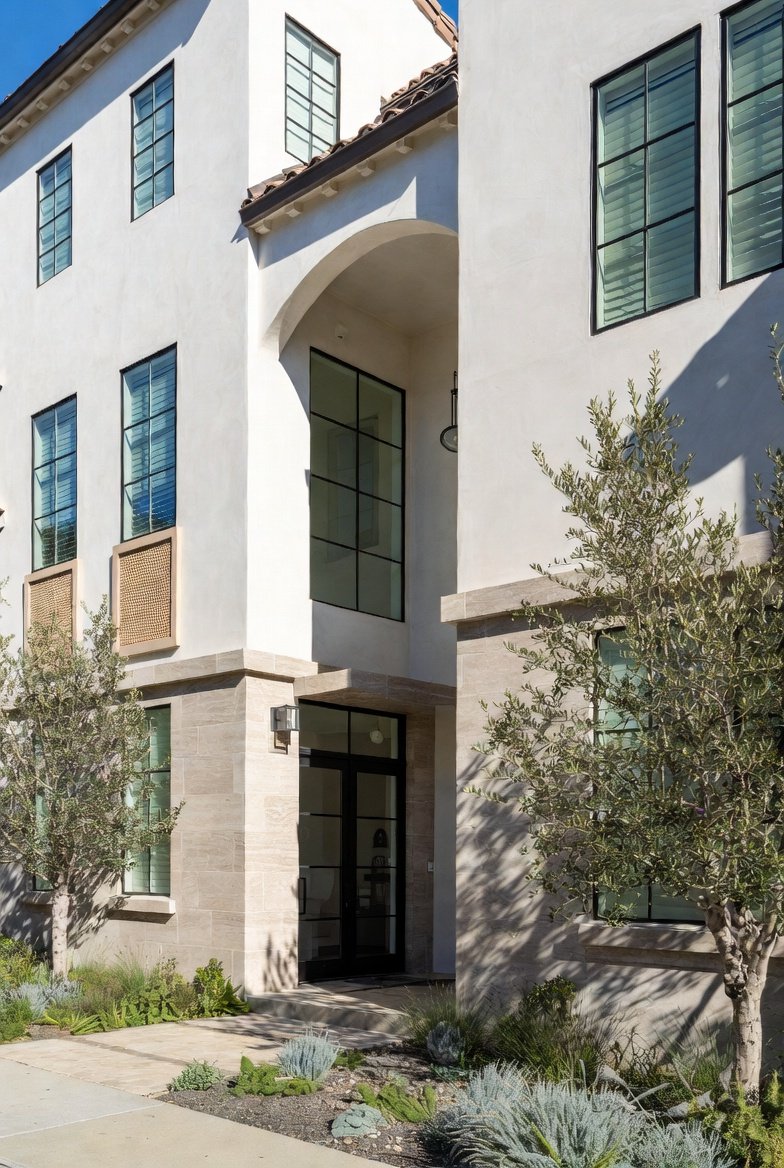
Step-by-step: the full West Hollywood planning and construction sequence
This is the order that produces the cleanest WeHo projects. Each step maps to a specific department or portal; skipping one usually shows up as a delay later.
Define scope and goals
Get the scope honest before spending on design or records. Is this an addition, a remodel, an ADU, a conversion, or a new build? Financing, timeline, and tenant considerations all depend on the real scope.
Commission a licensed land survey
A current boundary and topographic survey from a California-licensed surveyor is the foundation document. Confirm the surveyor through the California BPELSG license lookup.
Pull title and property records
Preliminary title reports reveal easements, CC&Rs, and legacy conditions. WeHo parcels often carry shared driveways and narrow rear-yard conditions worth knowing before design.
Zoning and parcel lookup via WeHo
Confirm zone, overlays, and any preservation conditions with West Hollywood Building & Safety. WeHo maintains its own zoning framework separate from LA.
Pull prior permit history
Review the property's permit record through the WeHo Permits & Licenses Portal. Legacy unpermitted structures must be resolved before a new permit issues.
Schematic design and plan development
Turn survey, title, and zoning inputs into a schematic, then into a full permit drawing set: site plan, floor plans, elevations, structural, Title 24 energy, and MEP.
Planning approvals and pre-submittal meeting
For scope approaching setbacks, height, or preservation flags, use WeHo Permitting Services to request a pre-submittal before plan check.
Permit application and plan check submission
File through the WeHo Permits & Licenses Portal. Plan check is handled by WeHo Plan Check Services. Complete responses to corrections shorten the total timeline more than anything else.
Utility coordination
Meter upgrades, new water services, sewer laterals, and gas line relocations have their own lead times. Open the utility conversations once the MEP strategy is locked, not at framing.
Permit issuance and sub-permits
Once plan check clears and fees are paid, the building permit issues. The contractor pulls WeHo-specific electrical, plumbing, and mechanical sub-permits so each trade has its own inspection record.
Right-of-way permits (Public Works)
Dumpsters, pods, scaffolding, temporary fencing, and any sidewalk or curb work in the public right-of-way require a separate permit from WeHo Public Works. Apply in advance; approvals are not same-day.
Construction waste and C&D diversion
WeHo requires Construction and Demolition debris to move through the franchised hauler system with documented recycling and diversion. Arrange the hauler before demolition begins and keep the receipts for closeout.
Tenant notice, hours, and site logistics
WeHo's noise ordinance limits construction hours, and its rent and tenant protections require notice and process on multi-family parcels. A written neighbor notice before demolition also reduces complaints and inspector surprises.
Inspections during construction
Expect inspections for foundation, framing, rough MEP, insulation, drywall, and trade sign-offs. WeHo inspectors coordinate their own schedule; plan for a dedicated project-side point of contact.
Final inspection and Certificate of Occupancy
Once all trades pass final and Title 24 verification clears, WeHo issues final sign-off. For projects that create new habitable area, a Certificate of Occupancy closes the record for rental and resale.
Construction logistics owners often underestimate in WeHo
These items are where WeHo projects actually get stuck or fined. Build them into the plan from day one.
Waste disposal & C&D diversion
Construction and demolition debris must leave the site through the city's franchised hauler program with documented diversion. Keep hauler receipts and waste reports in the project file.
Dumpster & right-of-way permits
Anything placed on the street or sidewalk needs a Public Works permit. That includes dumpsters, pods, scaffolding, fencing, and short-term traffic control. Apply days in advance, not the morning of.
Tenant, hours, and neighbor relations
On multi-family parcels, rent rules and tenant notice matter. For all projects, the noise ordinance restricts construction hours. A written neighbor notice reduces friction and keeps inspectors happy.
Official resources: West Hollywood
The links below are the authoritative starting points for each phase of a WeHo project.
WeHo Building & Safety
Permit intake, plan check, and the city's online permits portal.
Permits portal
The online hub for permit applications, prior-permit records, and submittals.
Service guides for West Hollywood projects
The service-specific guides below apply this same planning process to particular project types in West Hollywood. Use this page for the end-to-end process; use the links below for project-specific detail.
Building an ADU — West Hollywood
ADU planning with WeHo Building & Safety, state ADU law, and tenant-protection considerations on multi-family parcels.
Home addition planning — West Hollywood
Home addition planning with WeHo Building & Safety, Plan Check Services, and tenant-rule considerations on multi-family parcels.

Common mistakes when starting a West Hollywood construction project
Most painful WeHo stories come from treating the city like a smaller version of LA. It is not.
Filing to the wrong jurisdiction
Trying to file a WeHo project through ePlanLA or treating LADBS as the reviewing authority is a direct path to rework. WeHo Building & Safety is the correct department for every step inside city limits.
Underestimating tenant, ROW, and waste rules
On multi-family parcels especially, tenant protections interact with construction. And for every project, dumpster permits and C&D diversion are real workstreams — not the contractor's afterthought.
Frequently asked questions
The questions WeHo owners ask most often when first planning a project.
Through WeHo’s Permitting Services and the city’s online permits portal, not LADBS or ePlanLA.
Yes — a Public Works permit is required for anything placed in the public right-of-way.
Through the city’s franchised hauler system with documented recycling and diversion. Keep the receipts.
They can, especially on multi-family parcels. Consult the city and a qualified attorney during planning.
WeHo restricts construction hours under its noise ordinance. Verify the current window with your contractor.