Home addition planning in Culver City, using the city's own permit path
Culver City has its own Building & Development division, its own planning applications, and its own permit timelines. A home addition here is not a City of LA project in disguise. Owners who plan around the city's actual process — starting with a clean survey and records pull, and using Culver City Building & Development as the primary department — end up with shorter timelines and fewer surprises. This guide walks through how the process actually works.
Why home addition planning in Culver City takes a specific approach
Culver City mixes older single-family neighborhoods, compact duplexes, and a growing stock of renovated small-lot homes. The city maintains its own standards for lot coverage, FAR, parking, and neighborhood compatibility, and its planning applications process is used for anything that does not fit cleanly within by-right rules. A home addition that sounds small can still touch several of these review layers, and a little planning upfront saves a lot of time during plan review.
Lot and neighborhood context matters
Culver City's residential blocks have consistent character. Additions that keep proportions, rooflines, and street setbacks within the neighborhood pattern move faster than those that push at the edges of what the zone allows.
Planning applications are a real category
If an addition needs a variance, design review, or modification, it follows the city's planning applications process before the building permit. Knowing in advance whether the project requires that layer is the single most useful planning insight.
What Culver City owners typically add
Home addition projects in Culver City tend to follow a few recognizable patterns.
Rear additions and primary-suite expansions
Pushing the house 10 to 20 feet into the rear yard to add a primary suite, a larger kitchen, or a family room. These projects usually fit within by-right rules and move through a standard permit path.
ADU conversions and second-story additions
Converting a garage to an ADU or adding a partial second story. These scopes often need more detailed structural work and, for second-story additions, foundation review — but they use the same Building & Development framework.
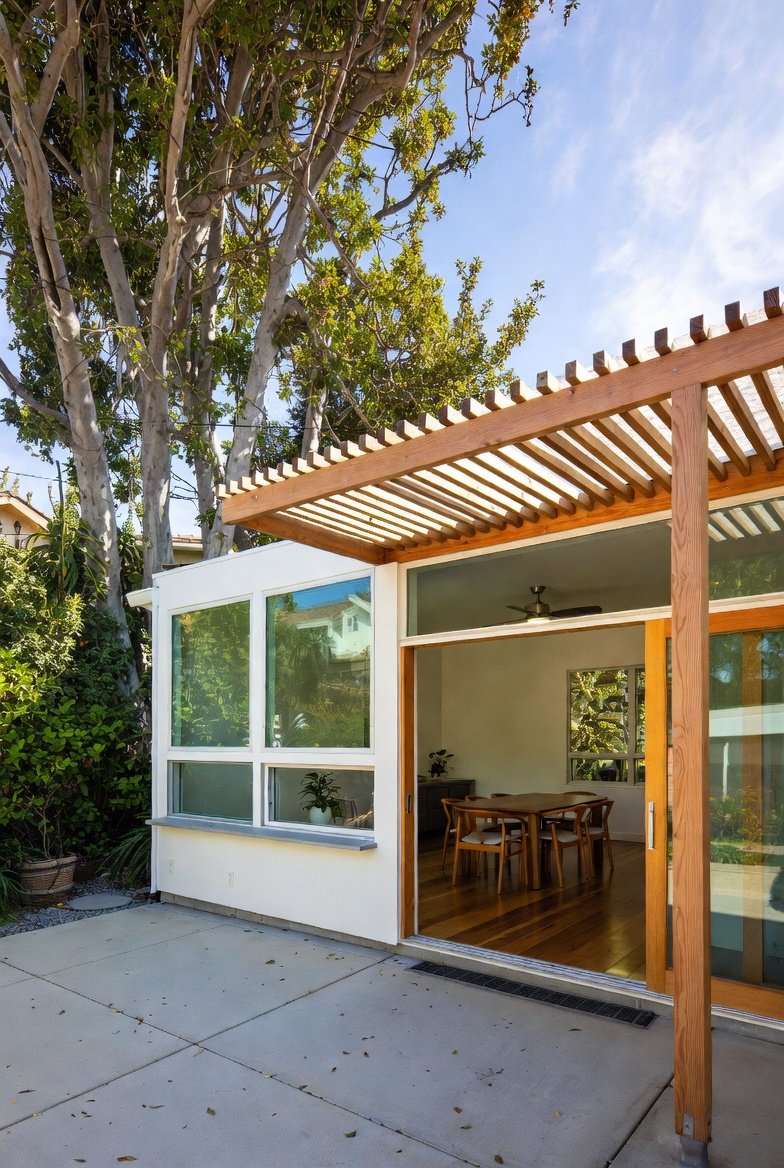
Step-by-step: how a Culver City home addition actually unfolds
This is the sequence owners should expect. Each step is tied to a specific department or portal; treating Culver City like LA causes rework.
Land survey by a California-licensed surveyor
Start with a current boundary and topographic survey. Verify the surveyor through the California BPELSG license lookup. The survey becomes the baseline for every setback, utility, and structural decision.
Title and property records search
Pull a preliminary title report and any recorded easements. Rear-yard utility easements and shared driveways are common in Culver City and often shape where an addition can sit.
Zoning and parcel lookup via the city
Confirm zone, setbacks, FAR, and overlays with Culver City Building & Development. Reference Planning Applications, Forms & Fees if any discretionary review applies.
Prior permit history and document search
Pull the property's permit history through the city's records channels. Unpermitted prior work must be resolved before a new addition permit issues — a common issue on Culver City's older single-family lots.
Schematic design and plan development
Turn the survey, title, and zoning into schematic design, then into a full permit drawing set: site plan, floor plans, elevations, structural, Title 24 energy, and MEP.
Pre-submittal meeting with Building & Development / Planning
Request a pre-submittal for any scope that approaches setbacks, lot coverage, or FAR limits. The planning applications page is the right starting point.
Permit application and plan check submission
File through Culver City Building Permit Application. Complete responses to plan check comments shorten the total timeline more than anything else.
Permit issuance and sub-permits
Once plan check clears and fees are paid, the building permit issues. The contractor pulls separate electrical, plumbing, and mechanical sub-permits so each trade has its own inspection record.
Inspections during construction
Expect inspections at foundation, framing, rough MEP, insulation, drywall, and trade sign-offs. Culver City inspectors schedule independently; plan for a dedicated project-side coordinator.
Final inspection and Certificate of Occupancy
Once all trades pass final and Title 24 verification clears, Culver City issues final sign-off. For additions that change habitable area, a Certificate of Occupancy closes the record for resale and refinance.
What makes a Culver City home addition feel like part of the house
The strongest additions in Culver City read as extensions of the original rather than separate objects.
Match the street read, improve the back
Keeping the front elevation quiet while doing the real work at the back of the house is almost always the stronger move. The street read stays consistent with the block, and the addition does its work where it actually matters.
Resolve transitions between old and new
Hallways, changes of ceiling height, and doorways between the original house and the new volume are where additions visibly succeed or fail. Planning those transitions during design keeps the finished house from feeling like two buildings.
Jurisdiction resources: Culver City
For the full step-by-step sequence, start with the Culver City construction planning-process guide. Culver City is its own jurisdiction. Use the city's Building & Development resources for any addition inside city limits.
Culver City Building & Development
Start here for permit application, zoning and setback information, and the overall permit path.
Planning applications
Use the planning applications page for discretionary review, modifications, or variances required by scope.
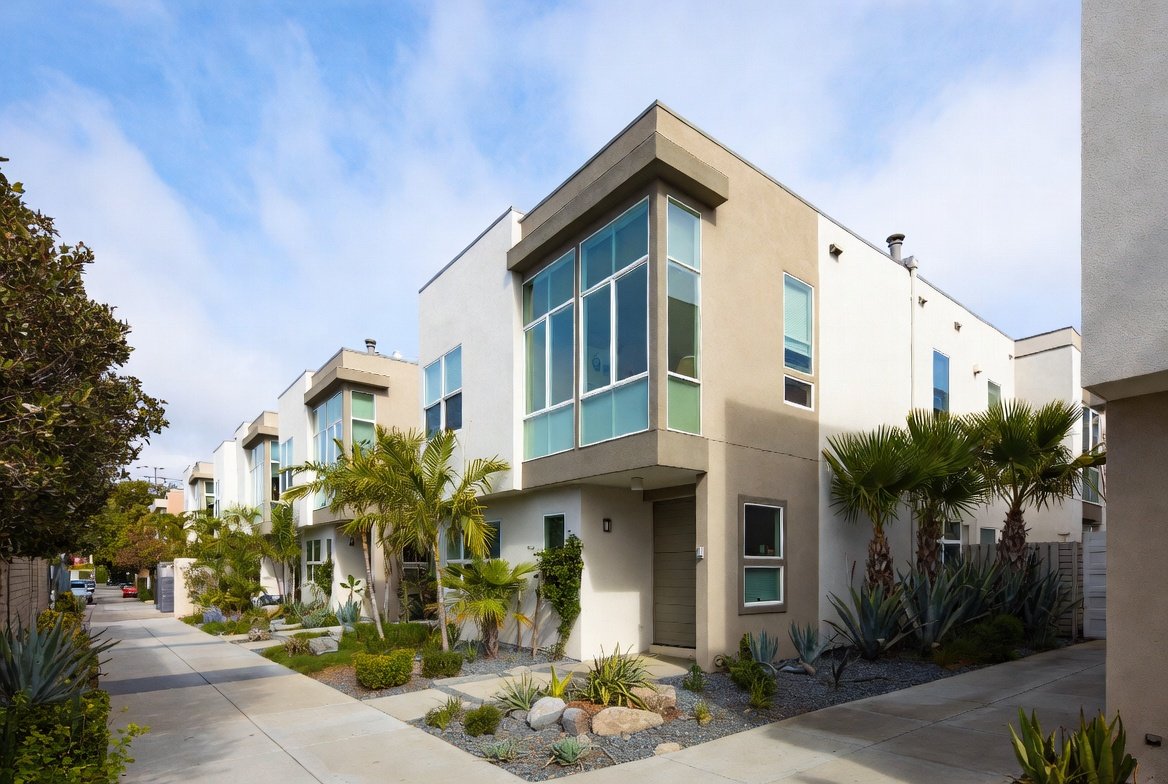
Common mistakes Culver City owners make on home additions
The recurring pattern: owners plan around the wrong jurisdiction or skip the planning-application question. Both are avoidable.
Filing to the wrong jurisdiction
Culver City is not Los Angeles. Filing to ePlanLA or relying on LADBS guidance for a Culver City property creates rework. Use Culver City Building & Development as the primary department from day one.
Missing the planning-application question
Not asking whether a project needs a planning application early is how scopes slip. Confirm during schematic design whether the addition fits the by-right envelope or needs discretionary review.
Frequently asked questions
The questions Culver City owners ask most often before committing to an addition scope.
Yes. Culver City runs its own Building & Development and planning applications process, separate from LA.
It depends on zone, setbacks, lot coverage, and FAR. Confirm with Culver City Building & Development before locking scope.
Smaller additions can move in a few months with a complete first submission. Discretionary projects take longer.
For most meaningful additions, yes. A current licensed survey anchors every later decision.
Sometimes yes — often as an ADU. Work with Building & Development early to confirm feasibility.