Home additions built to last.
Onyx designs and builds room additions, second-story expansions, and structural extensions across Los Angeles — keeping design intent, engineering, and construction logic connected from the first conversation through final inspection.
Why homeowners in Los Angeles add on rather than move
In a market where relocation means competing for limited inventory at escalating prices, expanding an existing home is increasingly the smarter move. A well-executed addition adds livable square footage, retains neighborhood continuity, and builds long-term equity.
Space without relocation
Adding a bedroom, expanding a kitchen, or building upward gives households what they need without uprooting from the neighborhood, school district, or community they've invested in.
Equity through square footage
In Los Angeles, livable square footage is one of the strongest appraisal drivers. A well-designed addition at today's construction costs frequently outperforms what the equivalent move would cost in transaction fees alone.
One chance to get it right
Additions involve structural decisions that can't easily be undone. The design-build approach keeps architecture, engineering, and construction aligned — so the project moves with intention, not improvisation.
What determines whether your addition is possible
Before design begins, feasibility must be established against the lot's zoning conditions. Setbacks, height limits, lot coverage, and floor area ratios determine what can be built — and where.
Lot conditions and what they allow
R1, R2, RD, and multifamily parcels each carry different restrictions, and overlay zones like hillside, coastal, or fire hazard severity areas add further requirements. On narrow lots, additions often move upward through second-story expansions. On deeper parcels, horizontal extensions into rear yard space are typically more efficient.
Soil type, grading, drainage, utility locations, and existing structural conditions all shape cost and scope. Aging foundations or undersized footings may require upgrades to safely support new loads. These evaluations prevent costly surprises once construction begins.
Onyx evaluates feasibility as a first step — before scope is drawn or money is committed.
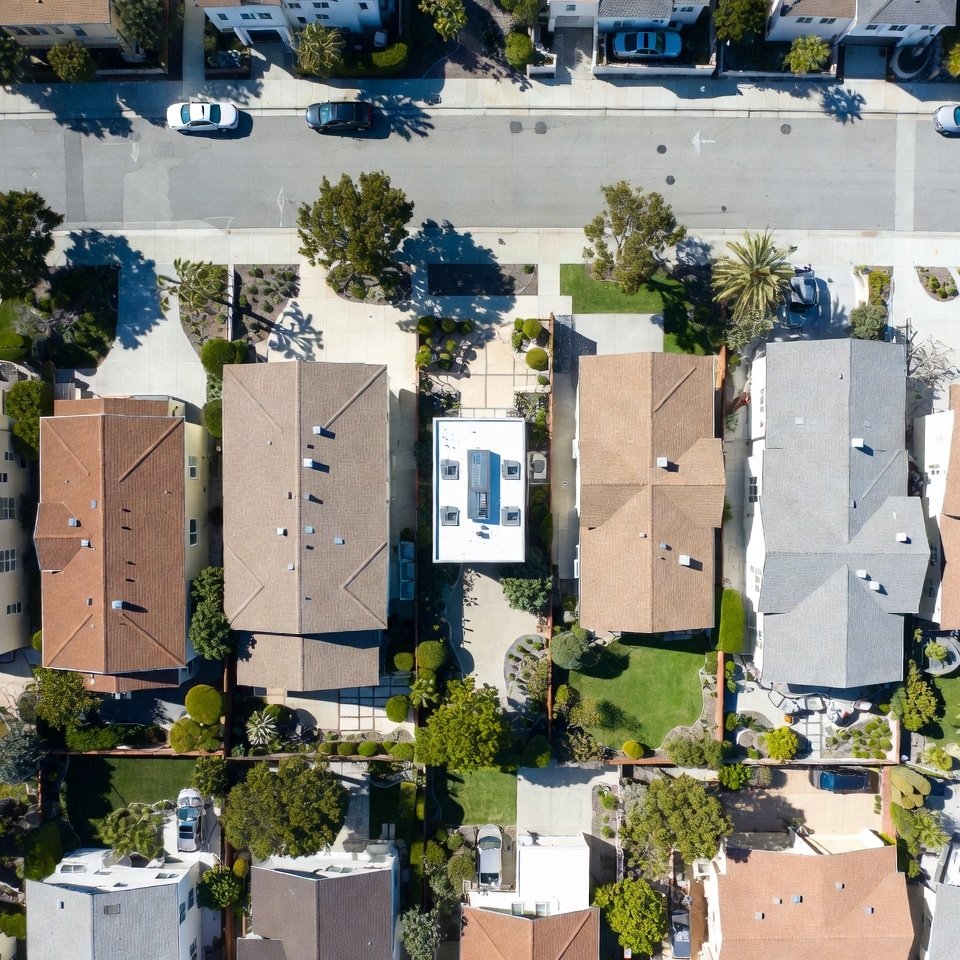
The most common home additions we build across Los Angeles
Each addition type has its own structural requirements, zoning constraints, and design considerations. We approach all of them through the same lens: feasibility first, then design, then build.

Room Additions + First-Floor Expansions
The most common addition type in Los Angeles. These extend living rooms, create new bedrooms, enlarge kitchens, or add primary suites. Design requires careful alignment with existing rooflines, maintenance of structural load paths, and continuity of architectural character between old and new.
- New bedrooms and primary suites
- Kitchen and great room expansions
- Family room and living room extensions
- Garage conversions with living space additions

Second-Story Additions
Building upward is often the most efficient path on smaller lots where horizontal expansion is limited by setbacks or lot coverage. A second-story addition requires a full structural assessment to determine whether the existing foundation and framing can support an additional level — including seismic compliance under California building codes.
- Full second-story additions over existing footprint
- Partial second-story additions over a portion of the home
- Master suite additions over garage or single-story wing
- New staircase design and circulation integration
What the engineering actually involves
Los Angeles additions must meet strict seismic standards. Every project involves a structural assessment before design is finalized — and that assessment directly shapes what gets built.
Foundation Analysis
Existing footing depth, soil bearing capacity, and foundation type are evaluated to determine whether upgrades are required to support new loads from the addition.
Shear Wall + Lateral System
Shear panels, moment frames, and hold-downs are designed to handle lateral forces generated during seismic events — required for all additions in Los Angeles.
Roof-to-Wall Anchorage
New and existing roof framing must be anchored to the wall system to meet current code requirements — often requiring upgrades to the existing structure where it ties into the addition.
Load Path Verification
Vertical loads from the new addition must transfer cleanly through the existing structure to the foundation. Engineers trace this path and design any required reinforcement.
What home additions cost in Los Angeles
Los Angeles construction costs remain above national averages due to seismic requirements, labor conditions, and the complexity of working within existing structures. Actual costs depend on site conditions, finish level, and structural requirements.
Single-Story
$180k – $350k
Room additions, bedroom additions, kitchen expansionsSecond Story
$280k – $550k+
Full or partial second-story additions over existing footprintFoundation Work
$15k – $60k+
Underpinning, footing upgrades, and structural reinforcementRoof Reframing
$10k – $45k
Roof tie-ins, ridge modifications, and drainage integrationWhy the addition needs to feel like it grew from the house
An addition that looks like an afterthought — even a well-built one — loses most of its value at resale and affects daily livability. Architecture that belongs starts with decisions made before the first permit is filed.

Architectural continuity from roofline to floor plan
Rooflines must connect cleanly. Window proportions should align. Materials need to remain consistent. Massing should complement the existing structure. Onyx approaches integration by matching roof pitch and overhang depth, aligning window sill and head heights, selecting cladding that reads as the same material language, and designing interior circulation that makes the new space feel like it was always part of the plan.
Interior layout decisions matter just as much as exterior ones. Enlarging a kitchen may require removing load-bearing walls. Adding a primary suite may mean adjusting hallway flow. A second story requires a new staircase position that doesn't destroy the first-floor plan. These decisions shape how the home functions in daily use — and they're best made before design is locked.
How a home addition moves from permit to completion
Home additions are built in a defined sequence. Each phase sets up the next — and protecting livability during construction requires planning that starts well before the first wall comes down.


Feasibility + Direction
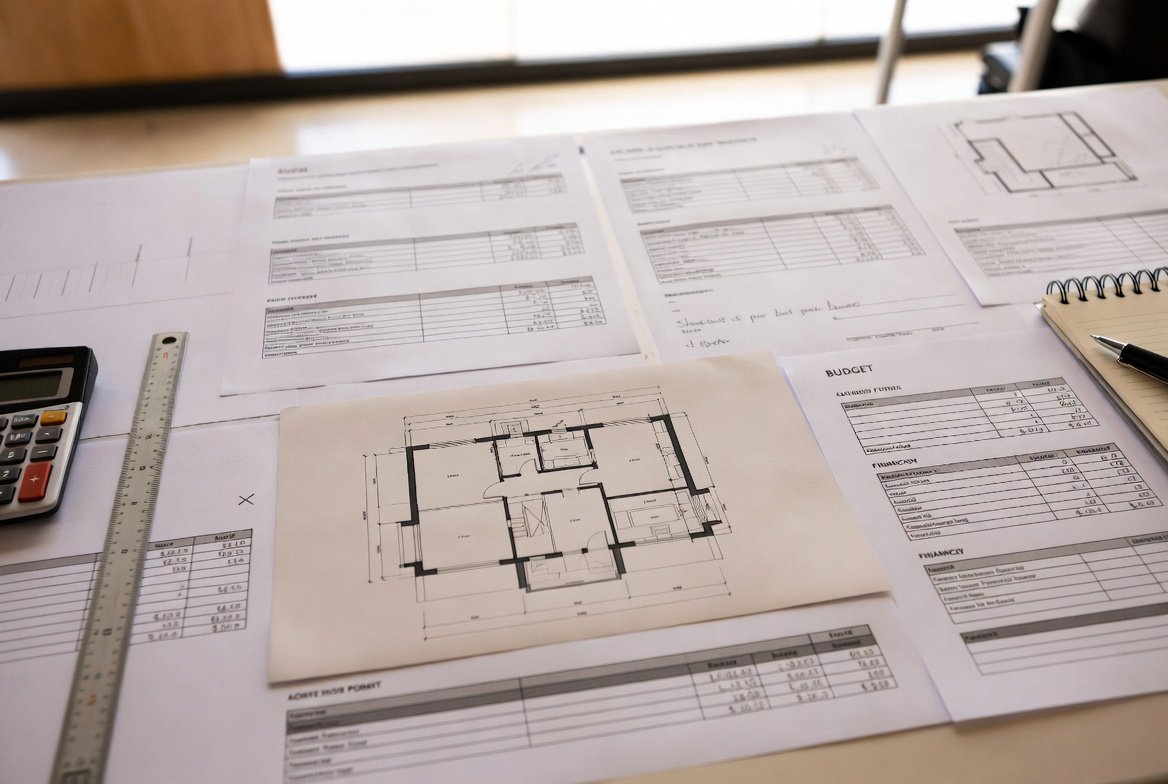
Lot conditions, zoning constraints, structural capacity, and scope priorities are evaluated. The addition type and design direction are established before drawings begin.
Design + Engineering
Architectural drawings, structural engineering, Title 24 calculations, and permit documents are prepared. Plan check corrections are addressed before permit issuance.
Pre-Construction
Trade coordination, procurement, sequencing plans, and homeowner communication protocols are established. Protection of occupied spaces is planned before demolition begins.
Foundation + Structure
Demolition, foundation work, and structural framing are completed in sequence. All structural connections between old and new are made per engineered drawings.
Mechanical Systems
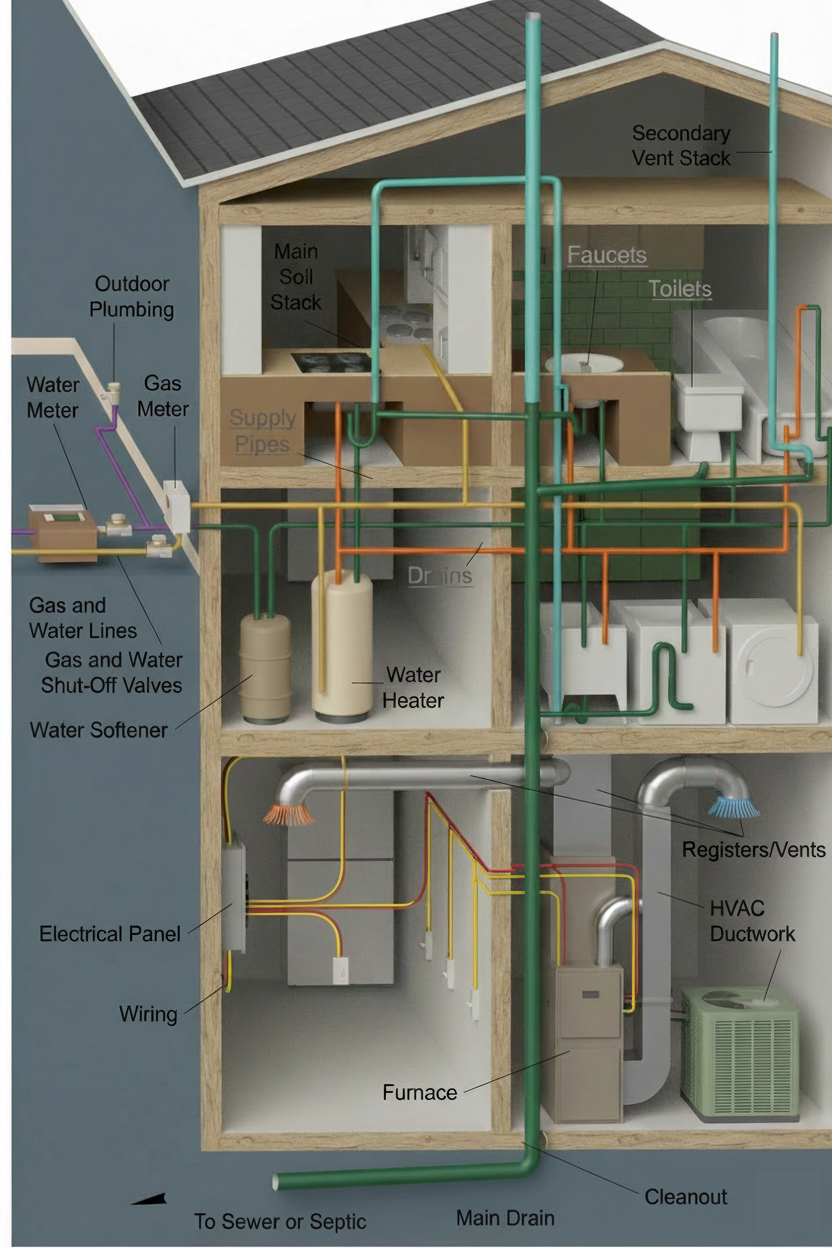
Electrical panel upgrades, HVAC modifications, plumbing rerouting, and new utility rough-in work are completed and inspected before walls are closed.
Insulation + Drywall
Title 24-compliant insulation is installed, inspected, and covered. Drywall work begins and finishes are coordinated with interior design direction.
Finishes + Millwork
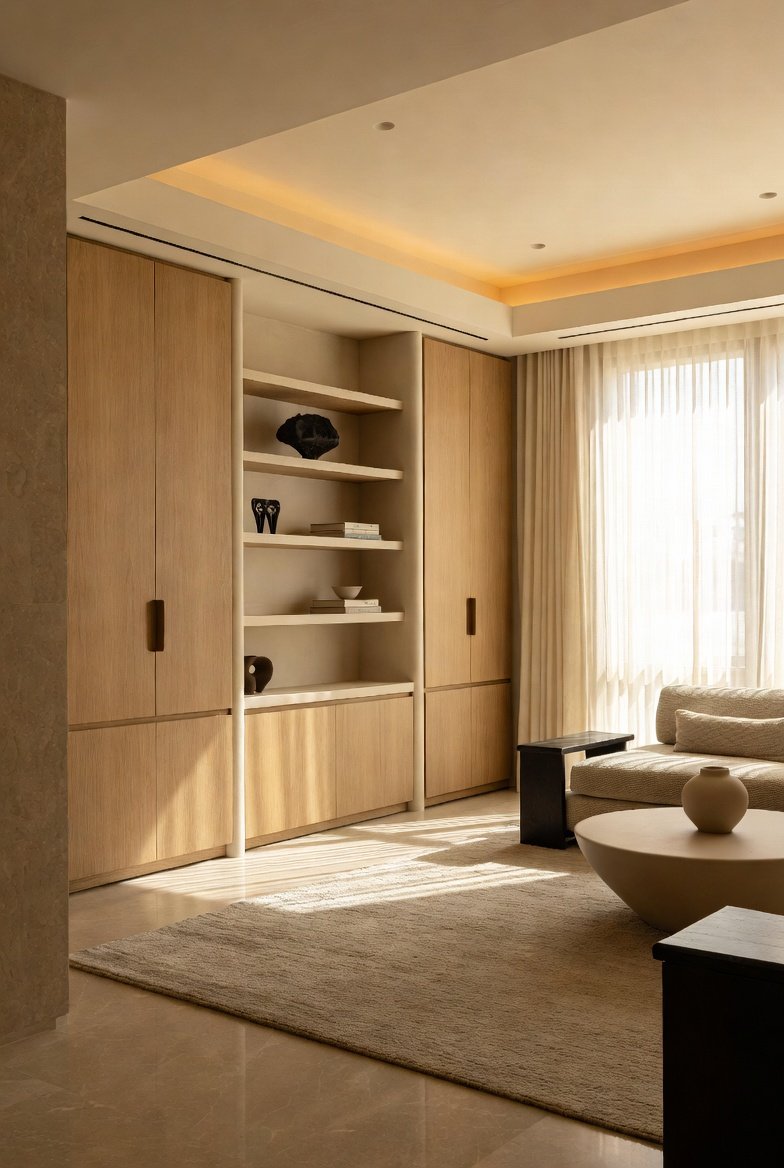
Flooring, cabinetry, trim, tile, fixtures, and all finish work is installed. Continuity with the existing home is maintained through material selection and detailing.
Final Inspection + Closeout
City final inspections are completed, punch list items are resolved, and the addition is formally closed out with all documentation and warranties in place.
Mechanical, electrical, plumbing, and energy compliance
Expanding a home almost always requires upgrading core systems. Planning these upgrades early prevents mid-construction surprises and ensures the completed addition performs reliably.
Infrastructure that supports the addition long-term
Electrical panels frequently require upgrade when new square footage is added. HVAC systems may need resizing or zone reconfiguration to serve the new space effectively. Plumbing supply and drainage lines may need rerouting to accommodate new bathrooms, kitchens, or laundry areas.
All additions must meet California's Title 24 energy regulations — governing insulation, window performance, HVAC systems, ventilation rates, and appliance efficiency. Additions built today perform significantly better than the older portions of most Los Angeles homes, reducing long-term energy expenses and improving overall comfort.
What a well-executed addition does for long-term property value
Livable square footage is one of the strongest appraisal drivers in the Los Angeles market. In neighborhoods where space is constrained, a well-designed addition frequently yields returns that outpace their construction cost.

Why execution is what determines return
Modern layouts, improved natural lighting, expanded primary suites, and enlarged kitchens all contribute to long-term property appreciation. The key is execution: additions that look and feel like they belong add value; additions that look like afterthoughts do not.
In neighborhoods like Pacific Palisades, Brentwood, Hancock Park, and Los Feliz — where architectural character is part of what homeowners pay for — integration quality directly affects resale performance. A well-executed second story or primary suite addition in these markets can return more than its construction cost in appraised value.
Onyx approaches every addition with the understanding that the finish line is a project that holds its value, performs well for the household, and sits cleanly in the context of the neighborhood — not just a larger home.
What homeowners ask before starting a home addition in Los Angeles
Answers to the questions that come up most often in early conversations about addition projects.
Single-story room additions typically range from $180,000 to $350,000. Second-story additions range from $280,000 to $550,000 or more. These ranges reflect typical scope — actual costs vary based on site conditions, structural requirements, and finish level.
Yes. All home additions require architectural drawings, structural engineering, Title 24 energy calculations, and city permit submittal. Homes in hillside, flood, or fire hazard zones may require additional departmental clearances. Onyx manages the full permitting process.
Not always. A full structural assessment is required to evaluate whether the existing foundation and framing can support an additional level. Engineers analyze footing depth, shear walls, and load transfer pathways to ensure seismic compliance before design begins.
A single-story room addition typically takes 4 to 8 months from permit approval through completion. A second-story addition may take 8 to 14 months. Permitting and plan check cycles add time before construction begins.
In most cases, yes — particularly for additions that don't require opening the existing structure during active construction. Onyx plans the construction sequence to protect occupied spaces, control debris, and maintain livability throughout the project where possible.
An addition is attached square footage that becomes part of the primary residence. An ADU is a separate dwelling unit with its own kitchen and bathroom, governed by a different set of zoning rules. Both require permits and structural engineering.
Related services across Los Angeles
Home additions are one part of what Onyx handles. If your project extends beyond an addition, or if you're still figuring out the right path forward, these pages are worth reviewing.
Let's start with what's possible.
Onyx works with homeowners across Los Angeles on additions from early feasibility through final inspection. The earlier we're involved, the better the outcome. Bring the address, the project type, and whatever you have.