Second-story addition planning in Miracle Mile, without the late surprises
In Miracle Mile, owners usually go vertical for one of two reasons: the lot will not accommodate a ground-floor addition, or the family wants a new primary floor without changing the street footprint. Either way, a second-story addition stacks structural, foundation, zoning, and energy review issues in a way that ground-floor work rarely does. This guide walks through how to plan one cleanly.
Why second-story addition planning in Miracle Mile takes a specific approach
Miracle Mile's housing stock was built to a consistent one-story scale. A second story reshapes the street from any angle, so the planning phase has to account for more than just the owner's floor plan: height districts, shadow impacts on neighbors, foundation capacity, and how the new roofline reads from across the street all matter. On a block of preserved one-story homes, the design discipline is as important as the structural design.
The foundation is usually the first real question
Many original foundations cannot carry a second story without reinforcement or partial replacement. A structural engineer's early review tells you whether a vertical addition is feasible — and what the foundation scope looks like before the design locks in.
Street read matters more than owners expect
A second-story addition is visible from blocks away. Roof geometry, setback from the front plane, and material continuity are what keep the result from feeling like a box on top of the original house.
What Miracle Mile owners typically build in a second story
Most vertical additions in the neighborhood follow one of two patterns. Both require serious structural planning.
Full second floor over the existing footprint
A new primary-bedroom level with multiple bedrooms, a primary bath, and sometimes a laundry or small office. These projects usually require full foundation review, new stairs, and a coordinated MEP strategy for both floors.
Partial second story or loft addition
A smaller vertical addition over part of the house — typically a primary suite or a studio. Smaller scope, but the foundation and structural work under the added area is still required, and the roof transition becomes its own design problem.
Step-by-step: how a Miracle Mile second-story addition actually unfolds
This is the sequence owners should expect. Each step is tied to a specific portal or department. Vertical additions have extra steps inside several stages — especially structural and foundation review.
Land survey by a California-licensed surveyor
Begin with a current boundary and topographic survey. Verify the surveyor through the California BPELSG license lookup. Vertical projects require accurate existing conditions — every later structural decision depends on them.
Title and property records search
Pull a preliminary title report and any recorded easements. Height or overlay easements are rare but do exist, and they can kill a second-story plan before design starts.
Zoning and parcel lookup via ZIMAS
Confirm zone, height district, FAR, and overlays on ZIMAS. Cross-check with the LA Planning zoning search. Height districts are the hard constraint on a vertical addition.
Prior permit history and document search
Pull permit records through the LADBS building permits portal. Unpermitted additions below have to be resolved before LADBS will approve a second story on top of them.
Schematic design and plan development
Translate survey, structural assessment, and zoning into schematic design, then into a full permit set: site plan, floor plans, elevations, sections, structural, foundation, Title 24 energy, and MEP for both floors.
Pre-submittal meeting with Planning
Request a pre-submittal through LA Planning zoning review. Second stories near overlay lines or height district edges are worth pre-clearing before investing in construction documents.
Permit application and plan check via ePlanLA
Submit through ePlanLA, LADBS's electronic plan check portal. Use the LADBS homeowner step-by-step as the baseline. Structural corrections are common; respond completely rather than quickly.
Permit issuance and sub-permits
After plan check clears and fees are paid, the building permit issues. The contractor pulls separate electrical, plumbing, and mechanical sub-permits for the new floor.
Inspections during construction
Expect inspections at foundation reinforcement, framing at both levels, rough MEP, insulation, drywall, and trade sign-offs. Second-story projects have more inspection touchpoints than single-story additions.
Final inspection and Certificate of Occupancy
Once all trades pass final and Title 24 verification clears, LADBS issues final sign-off. For additions that create new habitable area, the Certificate of Occupancy closes the record cleanly.
What makes a Miracle Mile second-story addition feel cohesive
The best vertical additions in the neighborhood look like they were planned with the original house, even when they were added decades later.
Set back the second story from the front plane
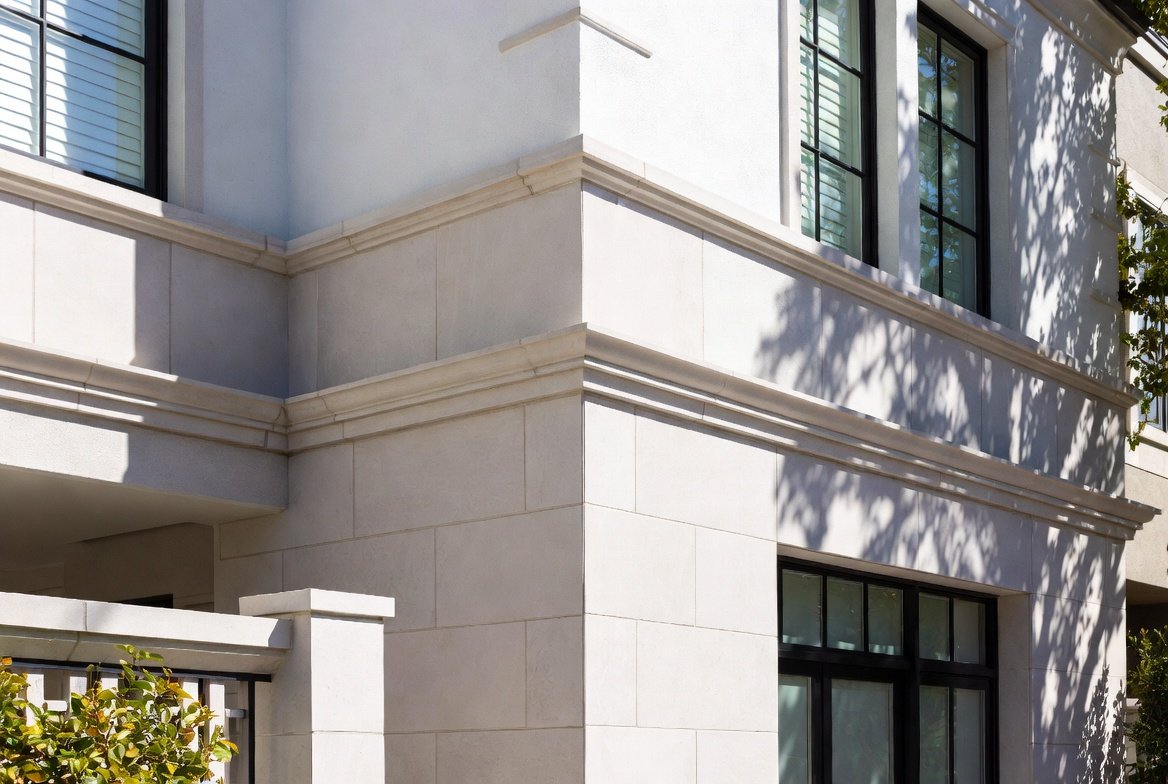
Pulling the second story back from the street-facing facade by even a few feet changes how the house reads. The original street elevation keeps its scale, and the new volume sits behind it rather than on top of it.
Continue the window and material rhythm
If the ground floor has a specific window proportion, repeat it on the second floor. If the original is stucco and steel, do not switch to siding and aluminum. Material continuity is what makes the second story read as the same house.
Jurisdiction resources: City of Los Angeles
For the full step-by-step sequence, start with the Los Angeles construction planning-process guide. Miracle Mile is inside the City of LA. LADBS and LA Planning are the authoritative permit and zoning path for any vertical addition.
LADBS — permits & plan check
Start here for the permit roadmap and the ePlanLA electronic plan check route.
LA Planning & zoning
Use ZIMAS for parcel-level zoning and height districts, then Planning for zoning and approvals.
Common mistakes Miracle Mile owners make on a second-story addition
These are the patterns that turn a clean vertical scope into a long, expensive correction cycle.
Skipping early structural review
Deciding the floor plan before the foundation is evaluated is the most expensive mistake on vertical projects. If the existing foundation cannot carry the load, everything about the design changes.
Designing a second story that fights the street
New volumes that sit forward, break the roofline, or introduce foreign materials almost always fail the neighborhood test — and often fail Planning review as well. Restraint on the street facade is the strongest design move.
Frequently asked questions
The questions Miracle Mile owners ask most often before committing to a vertical addition scope.
Often yes — subject to zoning, height districts, setbacks, and foundation capacity. Check ZIMAS before locking in scope.
Not always. Structural engineering review in week one tells you whether reinforcement or replacement is needed.
Parts do. Always confirm the parcel on ZIMAS before assuming a by-right path.
Usually several months — structural, foundation, energy, and zoning review stack on top of standard plan check.
Usually not through the whole project. Plan for temporary housing during structural and roof phases.