Whole-home remodel planning in Carthay, without losing the house
Carthay's blocks are unusually coherent for Los Angeles — intact Spanish Colonial Revival, Tudor, and Streamline Moderne homes lined up on quiet streets. A whole-home remodel here is as much a preservation problem as a construction one. This guide walks through how owners plan a full remodel across Carthay's sub-neighborhoods, from first records pull to final sign-off.
Why whole-home remodel planning in Carthay requires a specific approach
Carthay Circle, Carthay Square, and South Carthay each have their own character and, in some cases, their own HPOZ rules. The homes were built to a consistent scale in the 1920s and 1930s, and a remodel that ignores that scale — even inside a parcel that is not formally protected — tends to read as intrusive. Planning a whole-home remodel here means respecting the street long before anyone talks about finishes.
HPOZ status can change the entire path
Some Carthay parcels sit inside HPOZ boundaries. That means an extra review layer before LADBS plan check, specific rules for exterior changes, and a design approach that works with the preservation plan rather than against it.
The original systems are usually at the end of their life
Most Carthay homes still carry legacy electrical panels, galvanized plumbing, and minimal insulation. A whole-home remodel is the right moment to replace them together — doing it piecemeal later doubles the disruption and the cost.
What Carthay owners typically rebuild
Whole-home remodels in Carthay tend to follow two patterns. Both start with the same respect for the existing exterior and diverge at the interior.
Full interior reset with exterior restraint
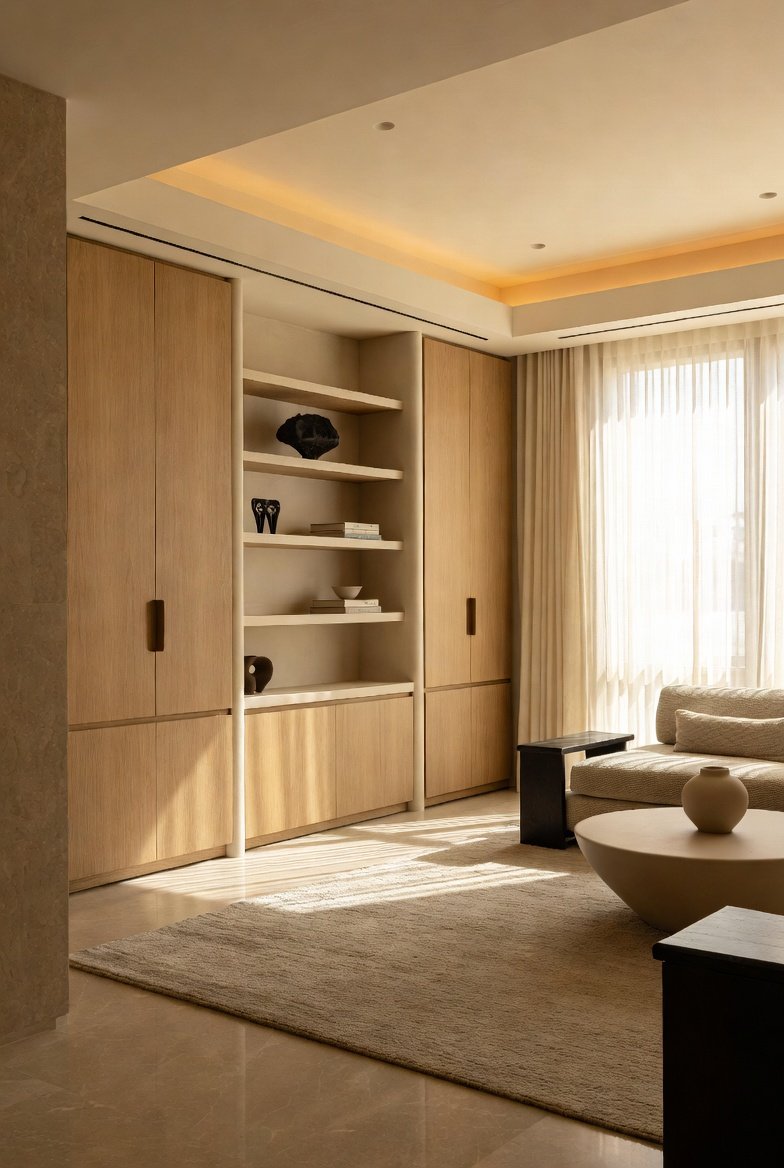
New floor plan, new kitchen and baths, new electrical and plumbing, new HVAC, new insulation, refinished or replaced windows in the original pattern. The street sees a well-cared-for original; the owners live in a modern house.
Interior reset plus a rear addition
When the lot allows, a rear addition — a primary suite, a larger kitchen, or a family room — is added during the same remodel. The addition is planned to sit behind the original massing so the street facade stays intact.
Step-by-step: how a Carthay whole-home remodel actually unfolds
This is the sequence owners should expect — each step tied to a specific portal or department. HPOZ properties add one review layer but keep the same overall flow.
Land survey by a California-licensed surveyor
Start with a current boundary and topographic survey. Verify the surveyor through the California BPELSG license lookup. The survey is the single most useful planning document for a Carthay lot.
Title and property records search
Pull a preliminary title report and any recorded easements or CC&Rs. Carthay lots often carry old easements and legacy deed restrictions that quietly affect what can be added or altered.
Zoning and parcel lookup via ZIMAS
Check zone, height district, and HPOZ status on ZIMAS. Confirm with the Los Angeles Planning zoning search so no overlay is missed.
Prior permit history and document search
Pull permit history through the LADBS building permits portal. Many Carthay houses have decades of layered work; unpermitted conditions must be legalized or corrected as part of the remodel.
Schematic design and plan development
Turn the survey, title, and zoning into schematic design, then into a full permit set: floor plans, elevations, structural, Title 24 energy, MEP, and any historic-consistent exterior details if HPOZ applies.
Pre-submittal meeting with Planning (and HPOZ review if applicable)
For HPOZ parcels, clear the Historic Preservation review first. Use LA Planning zoning review and Planning approvals as the reference points.
Permit application and plan check via ePlanLA
Submit through ePlanLA, LADBS's electronic plan check portal. Use the LADBS homeowner step-by-step as the process baseline. Complete responses shorten the correction cycle.
Permit issuance and sub-permits
After plan check clears and fees are paid, the building permit issues. The contractor pulls separate electrical, plumbing, and mechanical sub-permits — essential for a clean final.
Inspections during construction
Expect inspections for demolition, foundation, framing, rough MEP, insulation, drywall, and trade-specific milestones. Whole-home remodels have more inspection touchpoints than additions; coordinate the schedule early.
Final inspection and Certificate of Occupancy
Once all trades pass final and Title 24 verification clears, LADBS issues final sign-off. For whole-home remodels that changed area or use, a Certificate of Occupancy closes the file cleanly for resale or refinance.
What makes a Carthay whole-home remodel feel cohesive
The strongest remodels in Carthay do not try to out-design the street. They quietly reset the house while letting the neighborhood keep its rhythm.
Exterior restraint, interior reinvention
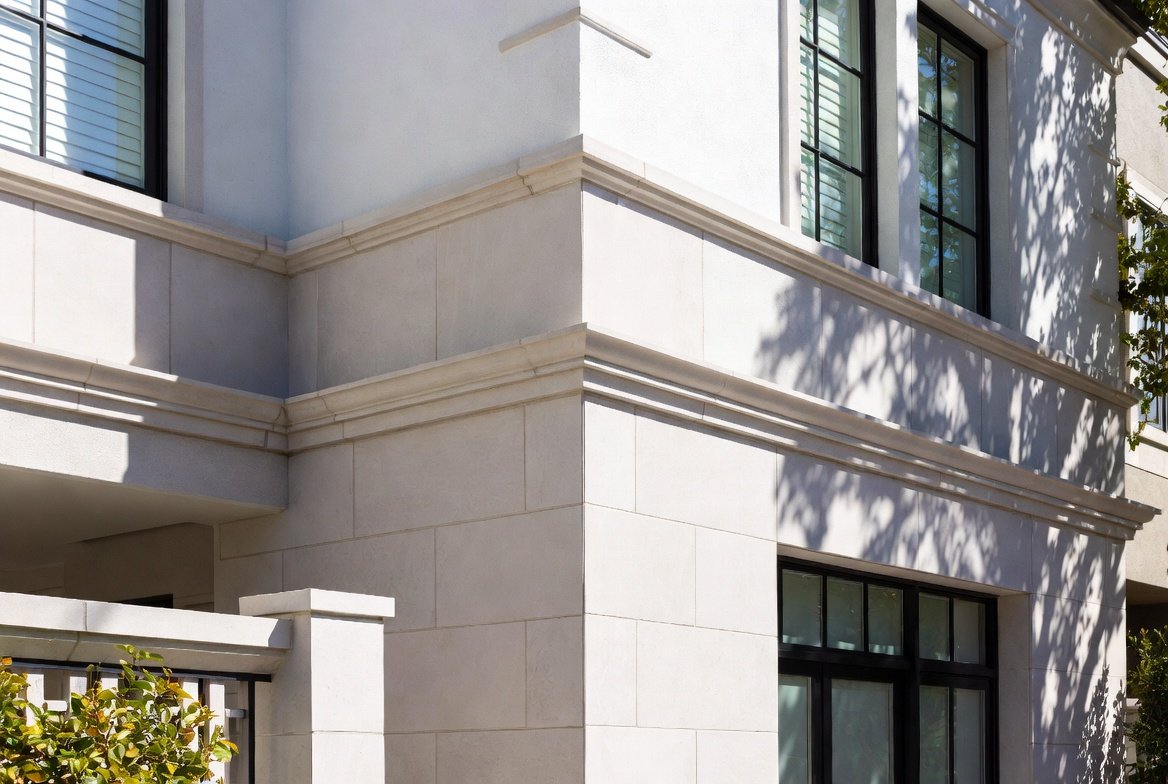
Keep the exterior close to its original composition — roofline, window rhythm, stucco texture, original steelwork where it exists — and give the interior a full modern rebuild. That contrast, handled well, is what makes a Carthay remodel feel truly resolved.
Treat additions as background, not statements
Rear additions should disappear from the street view. Proportion, roof angle, and material choice all matter. A rear primary suite that reads as part of the original silhouette will outperform a statement addition every time.
Jurisdiction resources: City of Los Angeles
For the full step-by-step sequence, start with the Los Angeles construction planning-process guide. Carthay is inside the City of LA, so LADBS and LA Planning are the authoritative path. For HPOZ parcels, Planning's historic preservation route is added on top of standard review.
LADBS — permits & plan check
Start here for the permit roadmap and the ePlanLA electronic plan check route.
LA Planning & zoning
Use ZIMAS for parcel-level zoning and HPOZ flags, then Planning for zoning and preservation approvals.
Common mistakes Carthay owners make during a whole-home remodel
Most of the expensive remodel stories in Carthay come from the same planning errors. All of them are avoidable with better sequencing and a willingness to resolve things on paper first.
Ignoring HPOZ until plan check
Waiting to see whether historic review applies is the single most expensive scheduling mistake in Carthay. Check the parcel on ZIMAS in week one. If HPOZ applies, plan the design process with that review layer included from the start.
Treating systems upgrades as optional
Skipping panel, plumbing, or HVAC replacement during a whole-home remodel to save short-term cost almost always creates bigger bills two to five years later. The right moment to rebuild the systems is while the walls are already open.
Frequently asked questions
The questions Carthay owners ask most often before committing to a full remodel scope.
Parts of Carthay are inside HPOZ boundaries, parts are not. Always confirm the parcel on ZIMAS before committing to a remodel scope.
Yes. The best remodels respect the original massing, rooflines, and window rhythm and do their real work on the interior and systems.
A building permit plus electrical, plumbing, and mechanical sub-permits. HPOZ parcels add an extra preservation review layer.
Typically several months of survey, records, zoning, design, Title 24, and plan check cycles. HPOZ adds time. Rushing this phase usually costs more time later.
Usually no. Kitchens, baths, and systems are offline simultaneously. Plan for temporary housing from day one.