Fund your project. Build it right.
Construction financing in Los Angeles is only as stable as the project underneath it. Onyx helps homeowners align scope, budget, and execution before financing is committed — so the project that gets funded is one that can actually be built well.
How construction financing actually works in Los Angeles
Labor costs, engineering requirements, permit timelines, and material pricing vary significantly across Los Angeles neighborhoods and property types. Financing works best when it reflects those realities — not assumptions made before anyone has looked at the job.
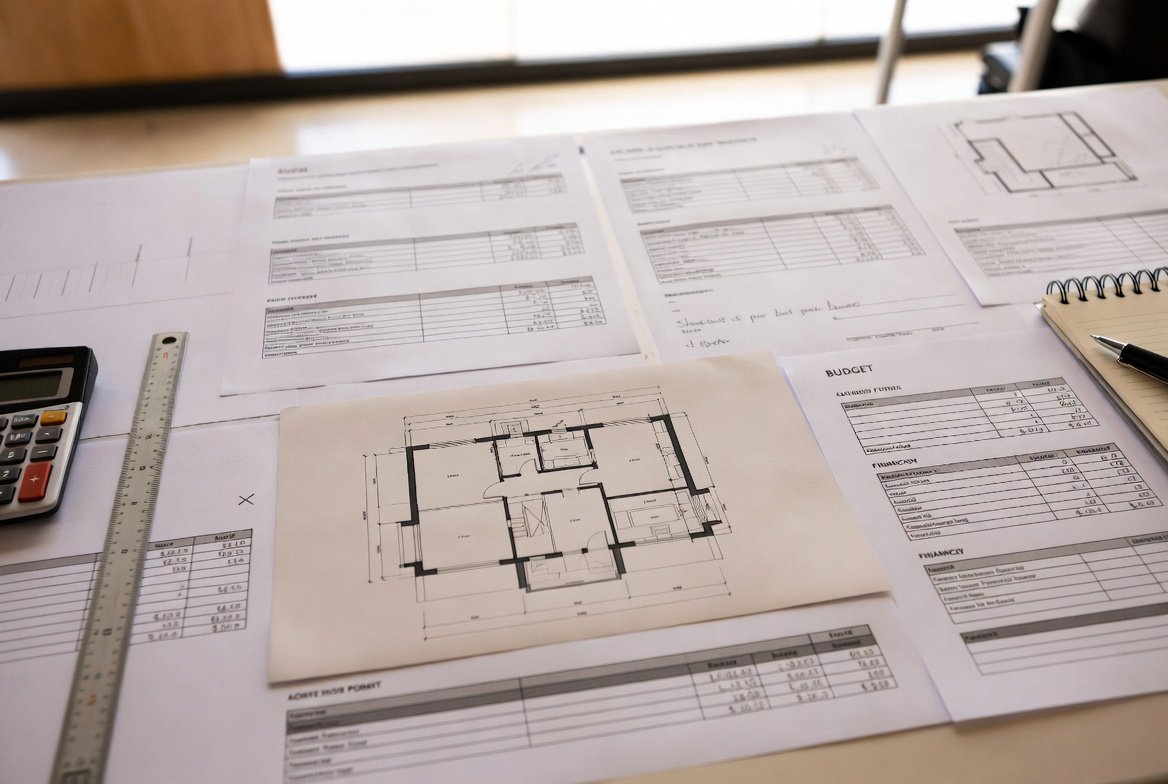
The construction side of financing is where most projects go wrong
Most financing problems don't start with the lender — they start with a scope that was never clearly defined. When the project is vague, the budget is guesswork, and the financing conversation becomes unstable the moment field conditions become real.
Onyx approaches financing preparation from the construction side first. That means helping define the job, identify the real cost drivers, organize budget categories, and create a build path that can realistically be supported by the available funding. A well-structured project is easier to finance, easier to execute, and less likely to run into the mid-project crises that derail most renovations.
Whether the project is a kitchen remodel, a room addition, an ADU, or a full home renovation, the principle is the same: the more disciplined the project definition is at the beginning, the more stable everything that follows becomes.
Common financing structures for construction projects
Different projects call for different capital structures. The right path depends on the size and type of the project, the owner's equity position, and how the build will be sequenced.
Cash-out refinance
Replaces the existing mortgage with a larger one, with the difference paid out as cash. Works best when current rates are close to or below the existing mortgage rate. Involves full underwriting and closing costs.
HELOC
A revolving credit line, typically up to 85% of home value minus the mortgage balance. Draw funds as needed during construction, paying interest only on what's used. Variable rates mean payments can change over time.
Construction loan
Short-term financing with funds released at project milestones rather than as a lump sum. Usually converts to a permanent mortgage at completion. Requires detailed plans, permits, and contractor documentation to qualify.
Home improvement financing
Unsecured or lightly secured financing suited to smaller, well-defined scopes. Faster to obtain than equity products, but typically at higher rates and lower loan amounts.
Why scope clarity matters before financing is committed
Financing works best when the project scope is clearly defined. Structural reinforcement, utility upgrades, drainage corrections, demolition conditions, and code-triggered requirements can all change the budget significantly — and they're rarely visible until someone actually looks at the property.
What happens when scope is defined too late
The most common financing problem in construction is not the interest rate — it's the gap between what the owner thought the project would cost and what it actually costs once work begins. In older Los Angeles homes, outdated wiring, hidden water damage, framing corrections, or prior unpermitted work can create costs that weren't visible during the initial financing discussion.
When those conditions surface mid-project, the owner has limited options: draw from contingency (if there is one), stop work, or take on additional debt. None of these are good outcomes. The solution is pre-construction planning that surfaces these conditions before financing is committed — so the budget reflects the real job, not the ideal version of it.
Onyx helps shape that clarity early. The result is a financing request based on substance, not assumptions — and a project that has a realistic chance of finishing on budget and on schedule.
What Onyx does on the construction side of financing
Onyx is not a lender. But the construction side of a financing conversation is where most of the value — and most of the risk — actually lives.

Organizing the project so financing can work
Onyx helps clients prepare the construction side of their project for financing conversations — which means refining the scope of work, structuring cost categories, outlining key milestones, and creating documentation that a lender can actually review.
For projects funded through construction draws, that means building a sequence around real field conditions, inspections, and funding checkpoints — foundation, framing, rough mechanicals, insulation, drywall, and finishes each become natural milestones with clear definitions of what constitutes completion.
For equity-based projects, it means helping the owner understand where structural costs begin, where finish allowances sit, and how much contingency is realistic given the property's age and condition. Even flexible funding performs better when the project underneath it is organized carefully.
The goal is to reduce the gap between what looks possible on paper and what actually gets built in the field — which is the gap where most financing problems originate.
Scope definition
We help translate project goals into a specific scope of work — with clear inclusions, exclusions, and the structural realities that affect what the job actually costs.
Budget structuring
We organize cost categories so the financing request reflects real construction logic — separating structural work, mechanical systems, finishes, and contingency in a way lenders can evaluate.
Phasing and draw planning
For projects with staged disbursements, we build the construction sequence around funding milestones so cash flow and construction progress stay aligned throughout the job.
Financing resources commonly used for residential construction
These are external resources that homeowners often review when exploring financing for remodels, ADUs, additions, and renovations. They are not endorsements or formal partnerships — they are starting points for your own research.
- GreenSky A widely used home improvement financing resource, often reviewed by homeowners and contractors when comparing project-based financing options across residential categories.
- Synchrony Project Card A home improvement financing option relevant for owners comparing contractor-related payment structures for repairs, upgrades, or larger residential improvements.
- RenoFi Often associated with renovation-focused lending, particularly for owners evaluating how project scope and future property value may affect borrowing capacity.
- Service Finance Company A long-standing home improvement financing resource that some owners review while comparing contractor-related funding pathways across residential project types.
- Acorn Finance A marketplace-style resource useful for comparing loan options, payment structures, and general home improvement funding paths across multiple lenders simultaneously.
Draw schedules and phased construction
Construction loans and renovation loans release funds in stages — which means the build sequence must be organized around inspections, milestones, and progress verification, not just a general timeline.
Why phasing matters as much as funding
Foundation, framing, rough mechanicals, insulation, drywall, and finishes are not just construction phases — they are natural funding checkpoints that lenders use to verify progress before releasing the next draw. When the construction sequence isn't organized around those checkpoints, projects slow down, draws get delayed, and owners end up carrying costs they didn't plan for.
Onyx builds the phasing around real field conditions so each milestone is clearly defined, achievable, and verifiable. That discipline keeps cash flow and construction progress aligned — which reduces friction with the lender and keeps the project moving.
Good phasing also creates natural decision points where the owner can review progress, confirm material selections for upcoming phases, and address any field conditions that have emerged before they affect the budget or schedule.
Financing should support a project that creates durable value
A well-planned addition, ADU, remodel, or renovation can improve function, increase usable square footage, strengthen rentability, modernize systems, and support long-term property value. The quality of the construction plan matters because owners, lenders, and future buyers all benefit when the work is scoped carefully and executed with discipline.
Added square footage
Additions and ADUs that are properly permitted, structurally sound, and well-finished contribute directly to appraised value and rentability.
Modernized systems
Electrical, plumbing, and HVAC upgrades done during a larger renovation reduce long-term maintenance costs and make the home more insurable.
Resale positioning
Permitted, well-documented work is significantly easier to disclose during a sale and avoids the complications that unpermitted work creates during escrow.
What to have ready before a financing conversation
The more prepared you are on the construction side before approaching a lender, the more productive that conversation will be.
Construction-side preparation
- A defined scope of work with clear inclusions and exclusions
- Realistic budget range based on contractor input, not online calculators
- Understanding of which parts of the project require permits
- Identification of likely structural or site conditions that could affect cost
- A proposed sequence for how the work will be phased
Property and project information
- Property address and current ownership documentation
- Any existing plans, drawings, or permits for the property
- Photos of the areas to be renovated or expanded
- Known conditions — age of systems, prior repairs, unpermitted work
- Target timeline and any hard deadlines that affect the project
Construction financing — common questions answered
Do you offer financing directly?
No. Onyx helps on the construction side — organizing scope, pricing, documentation, and phased execution so the project is in a stronger position before financing is pursued. The financing itself comes from third-party lenders.
Can you help if I'm still figuring out my budget?
Yes — and that's often the best time to start. Early project definition helps clarify whether the intended scope fits the likely financing path before larger commitments are made on either side.
Can you work with construction draws?
Yes. Projects funded through staged disbursements benefit from a clear build sequence and defined milestones. Onyx builds that phasing into the project plan from the start so draw requests are tied to verifiable progress.
What types of projects most often need financing coordination?
ADUs, room additions, second-story additions, large remodels, structural upgrades, multifamily improvements, and phased renovation projects are the most common. Anything with multiple trades, permits, and a build sequence longer than a few weeks benefits from financing and construction being planned together.
Do you work with specific financing companies?
Clients independently explore options like GreenSky, RenoFi, Synchrony, Service Finance Company, or Acorn Finance depending on project type and financial profile. Onyx organizes the construction side so scope and pricing are clear before those conversations happen.
Why does scope clarity matter before applying for financing?
Because lenders, owners, and contractors all need a realistic understanding of what's being built and what it costs. When scope is vague, budgets are guesswork — and the financing conversation usually becomes unstable the moment real field conditions surface.
What should I do before contacting a lender?
Define your goals, gather property information, and review the scope with a contractor so your financing conversation is grounded in a real construction plan — not a rough idea of what you'd like to build.
Is this page financial advice?
No. This page is for general informational purposes only. It is not financial, legal, or tax advice. Review all financing decisions with qualified third-party professionals before committing.
Ready to define your project before financing begins?
Bring the address, the project type, and whatever you have — ideas, photos, rough numbers, or a completed design. Onyx will help you understand what the project actually involves and what it will realistically cost to build it well.